

Indigenous Language Imbizo
24 November 2026
University of Johannesburg's Keorapetse William Kgositsile Theatre
Programme
Under Our Tree: Language, Memory and Power in the Age of Digital Transformation
South Africans are invited to gather under a tree once more, not to commemorate a document they did not write, but to ask a question about the future: Where is your tree, and what stories live beneath it? Every community has such a place, whether a real tree, a street corner, a taxi rank, a church hall, a football field, a WhatsApp group or a digital space. It is where knowledge is shared, memory is carried, conflict is negotiated, and the future is imagined.
The question begins with an indigenous idea that South Africa’s Constitution chose as its central image: justice under a tree. Yet English has no exact word for it. “Court” suggests hierarchy, procedure and verdict. Imbizo, kgotla and lekgotla suggest shade, listening, participation and a resolution that belongs to everyone. The gap between the symbol and its translation reveals the central argument of #SayMore: indigenous languages do not merely express the same ideas differently; they carry ideas that cannot be fully contained by English.
As artificial intelligence and digital technologies increasingly shape how information is produced, shared and preserved, that argument becomes urgent. The Imbizo will explore how indigenous languages, knowledge systems and cultural memory can shape South Africa’s technological future. It will ask who gets to speak, who is heard, and who benefits as our languages and knowledge become part of the digital world, so that they are not simply absorbed into technologies developed elsewhere.
Speakers
What we've achieved together
Since its inception, the Imbizo has become a recognised platform for meaningful conversations that connect language with culture, technology and social development.
Over the years, the Imbizo has:
- Brought together experts and communities from across multiple disciplines to address challenges facing indigenous languages.
- Sparked conversations around multilingual education, media representation and language rights.
- Explored how emerging technologies can both preserve and transform indigenous languages.
- Created opportunities for collaboration between government, academia, civil society and the creative industries.
- Celebrated indigenous storytelling, performance and cultural expression.
- Encouraged practical solutions that promote multilingualism across South African society.
Each edition builds on the last, creating a growing network of people and organisations committed to ensuring no language is left behind.
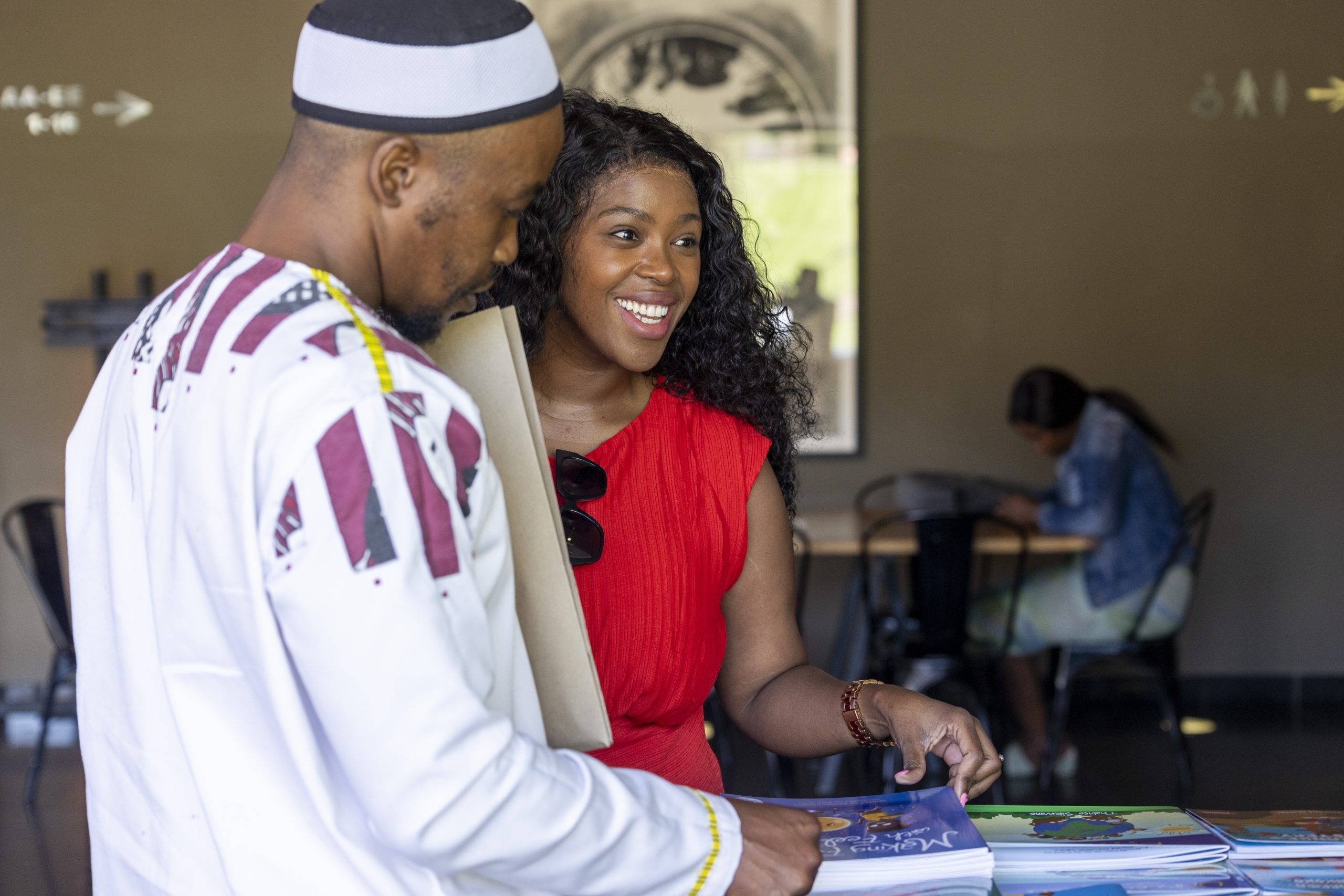
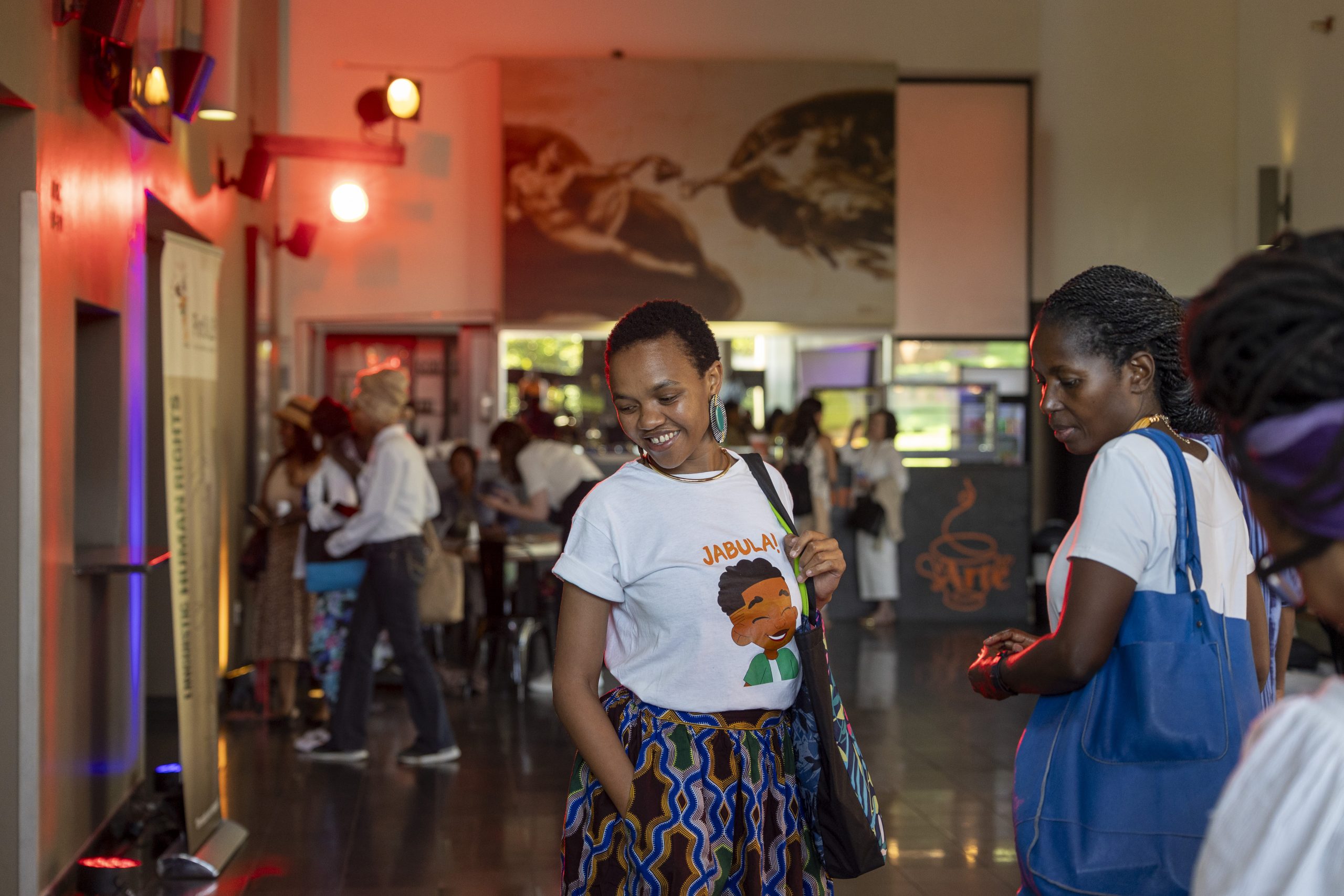
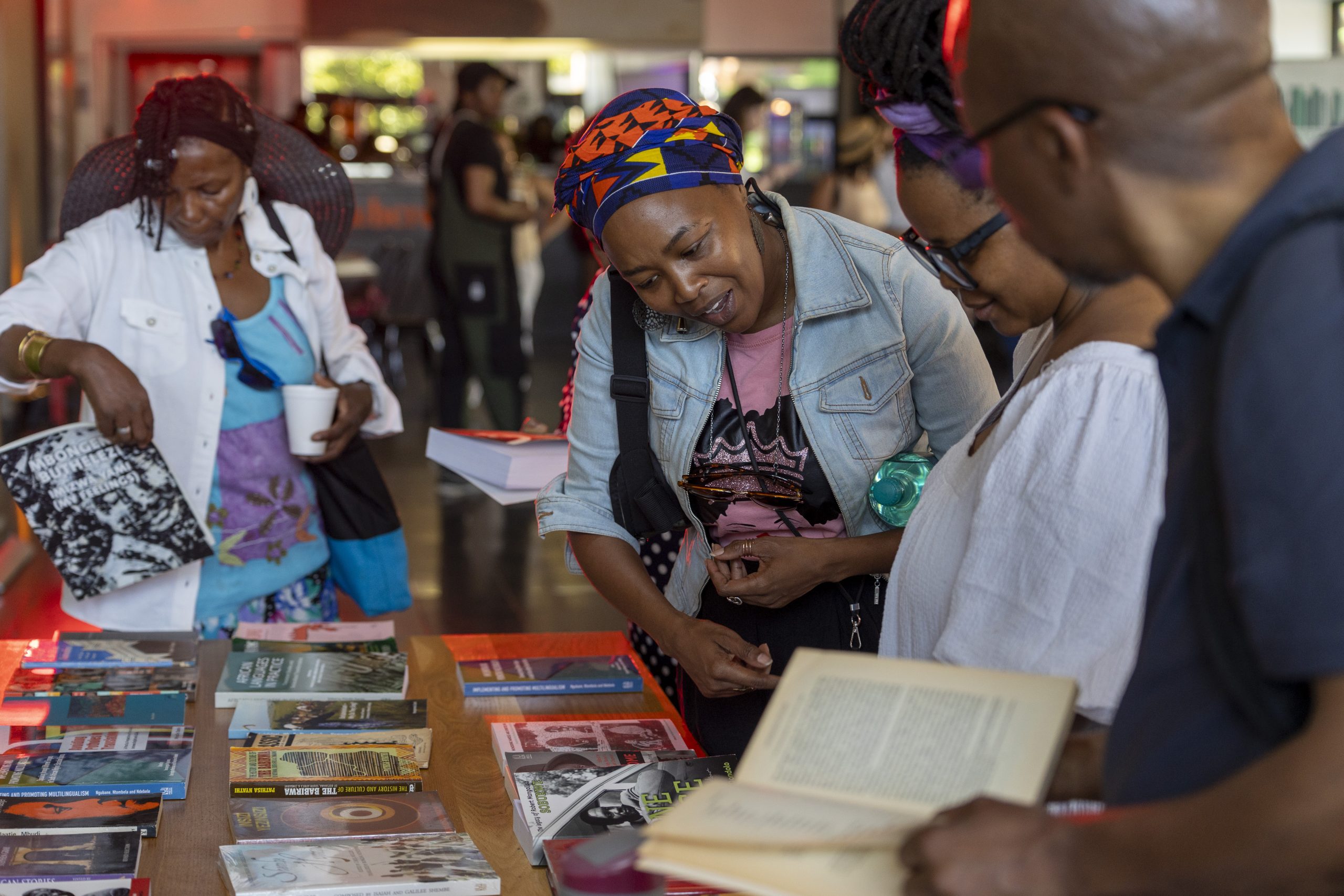
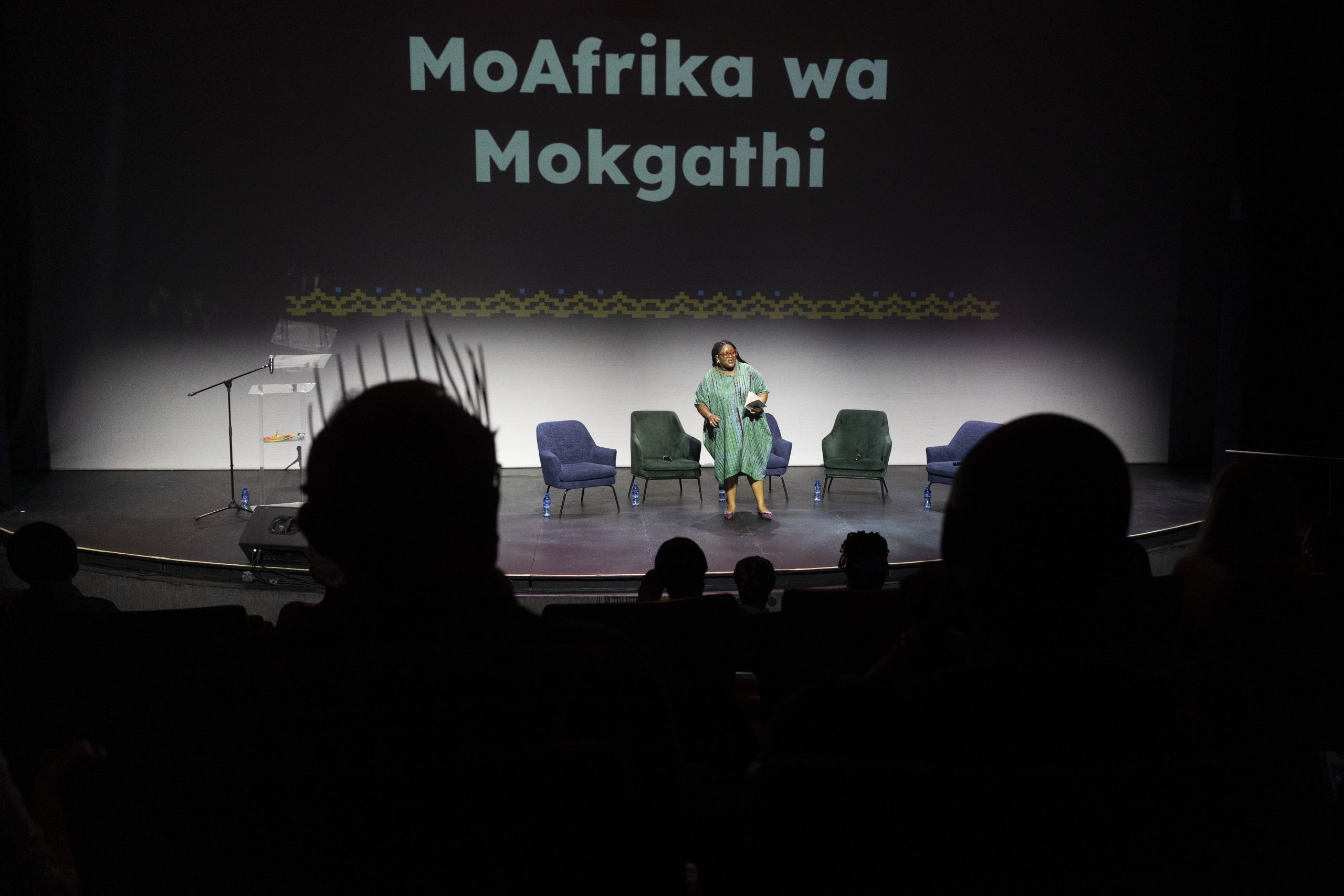
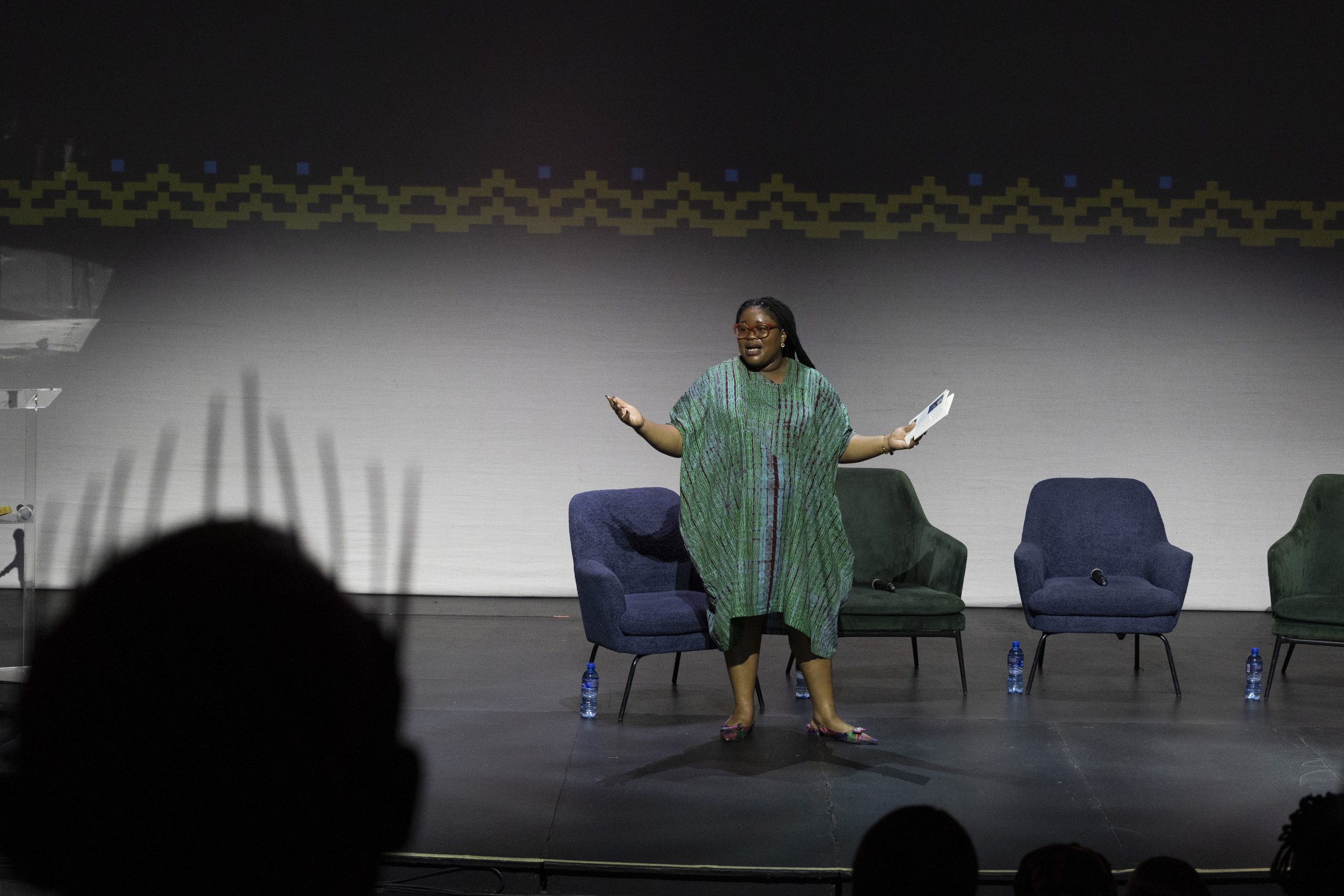
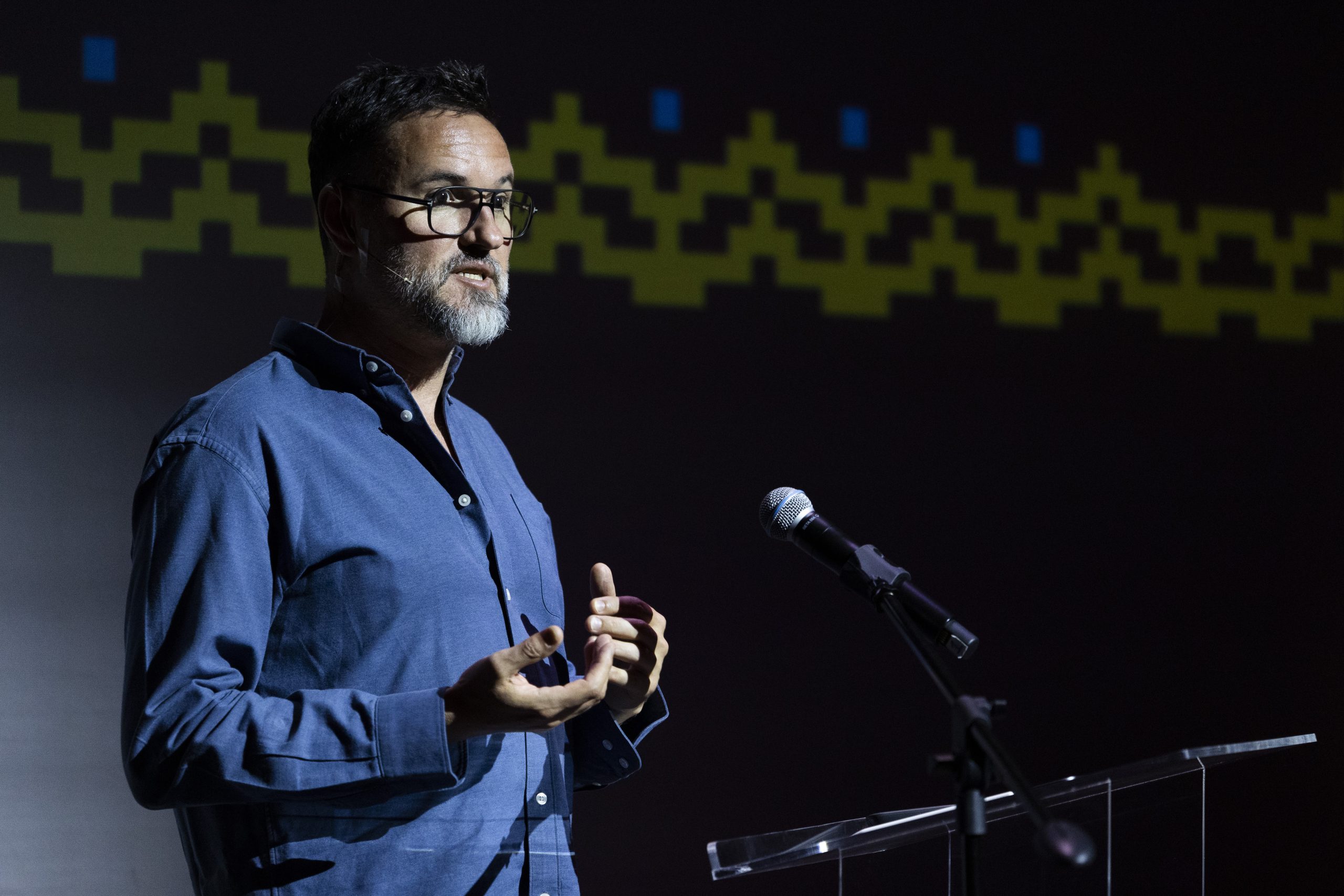
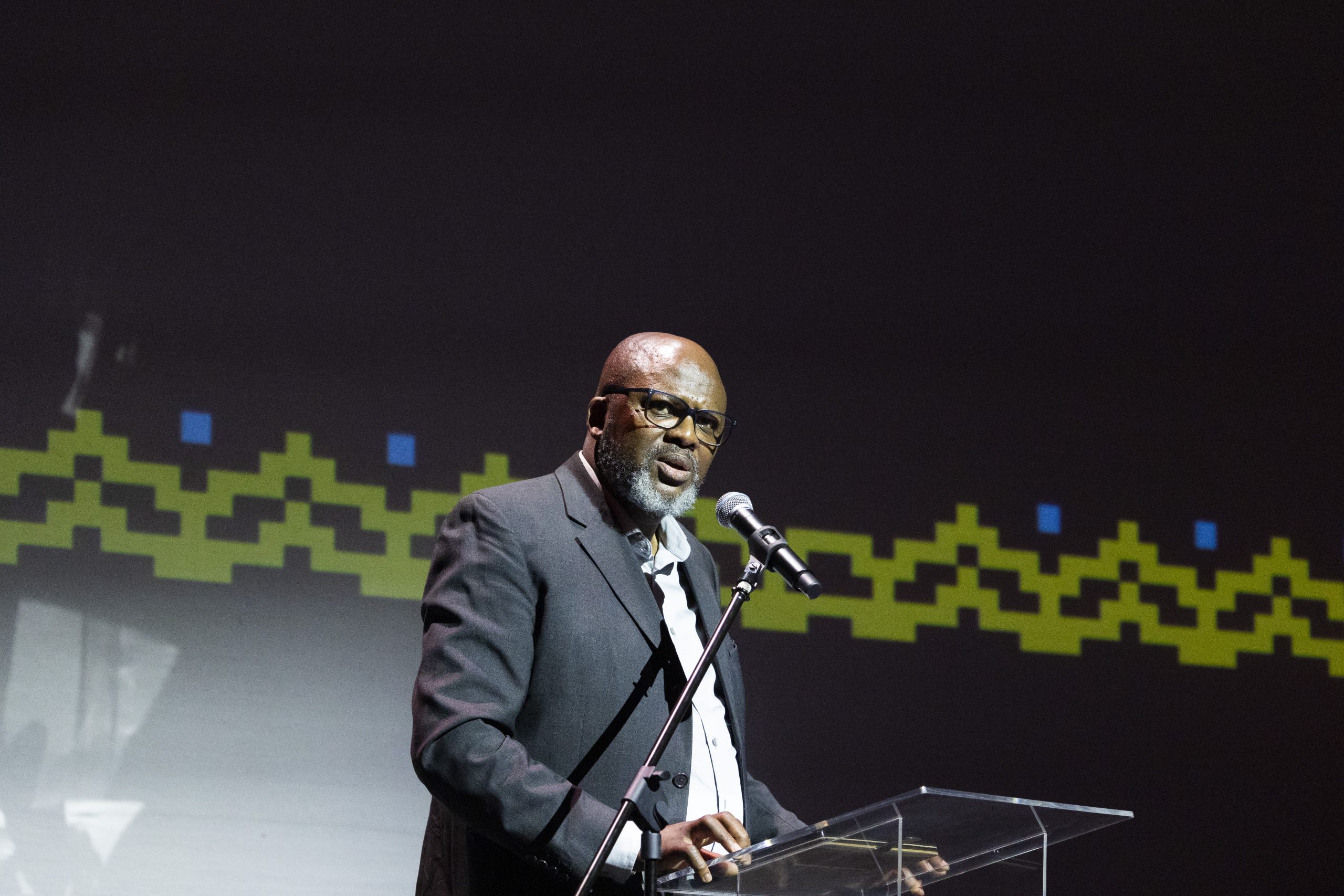
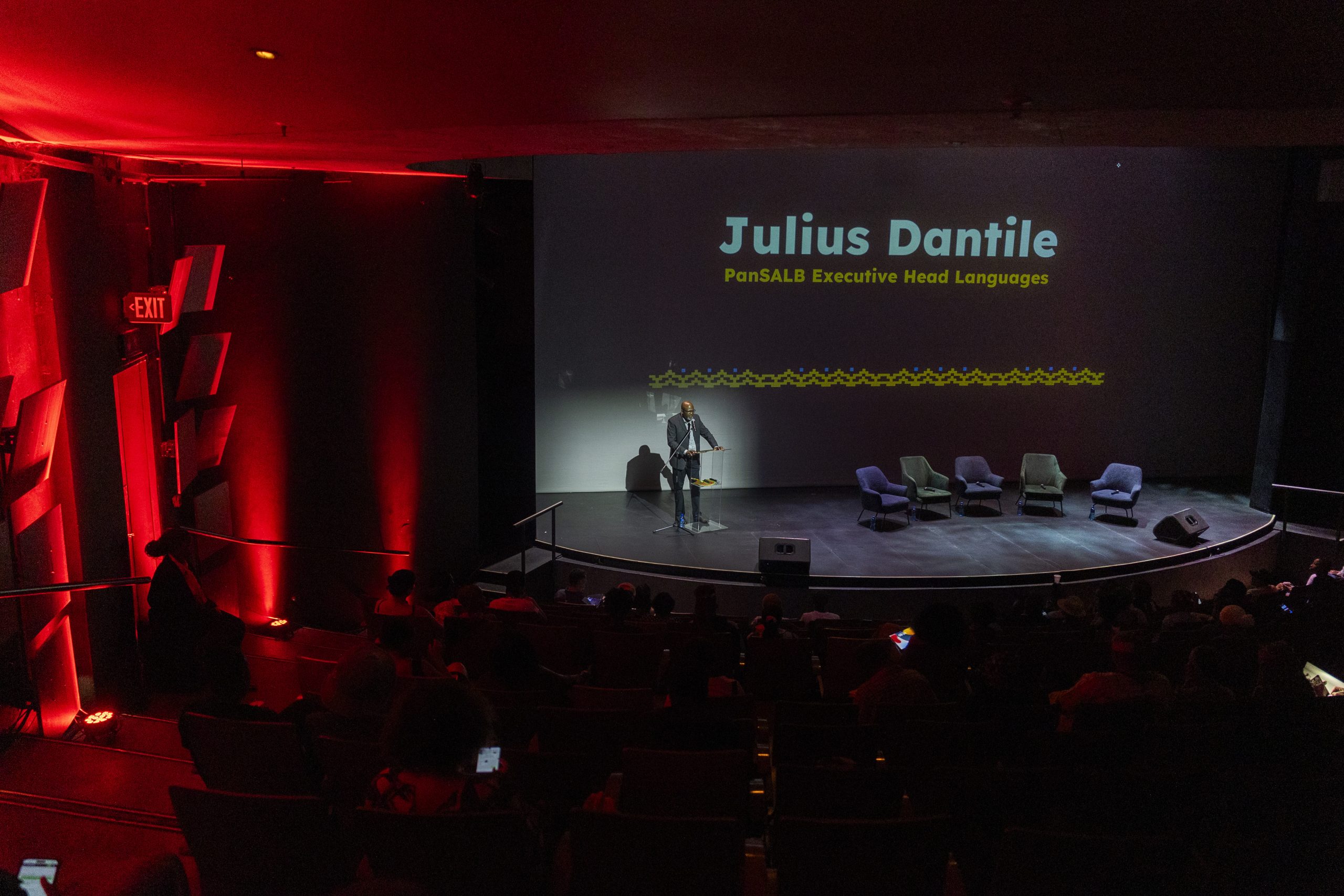
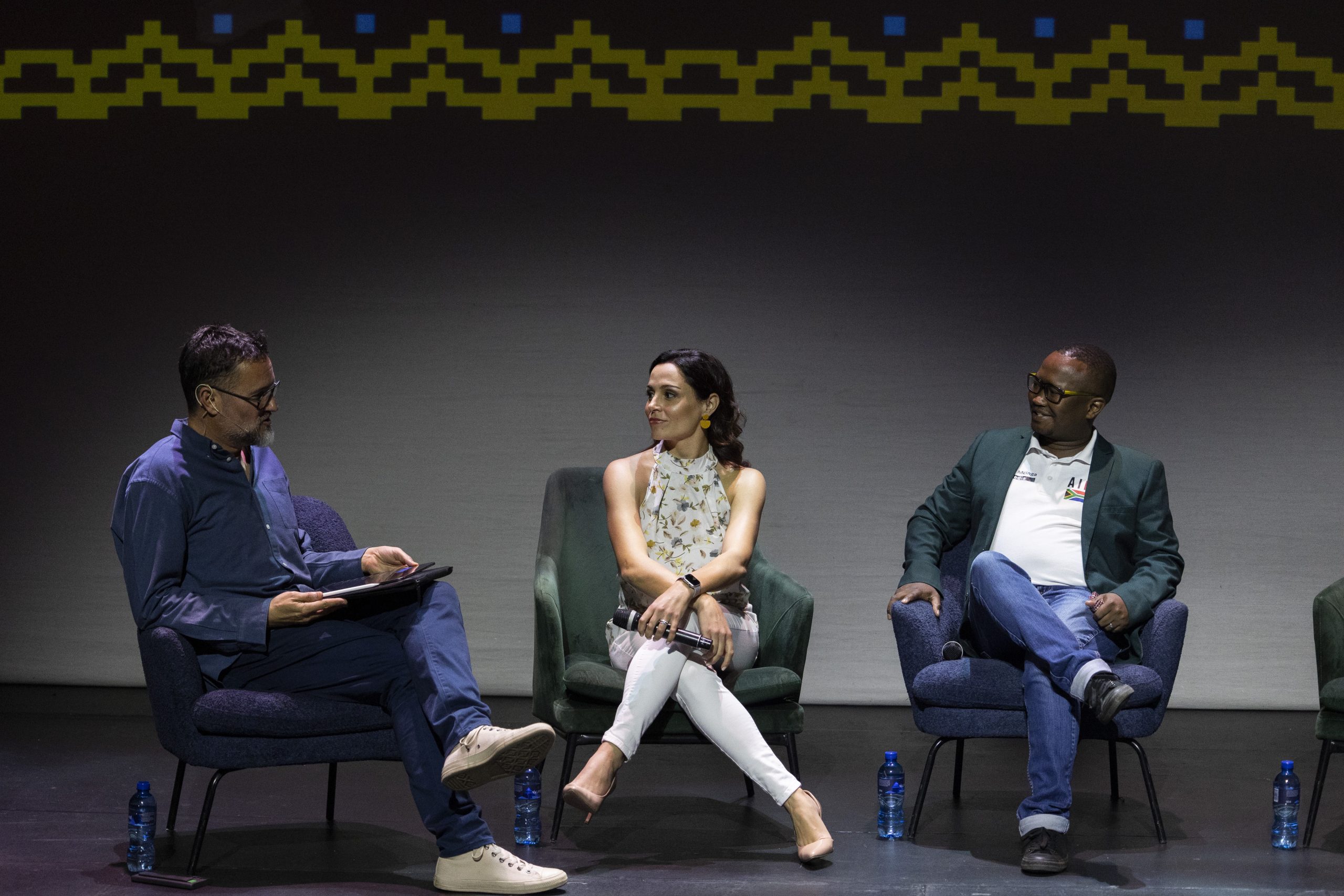
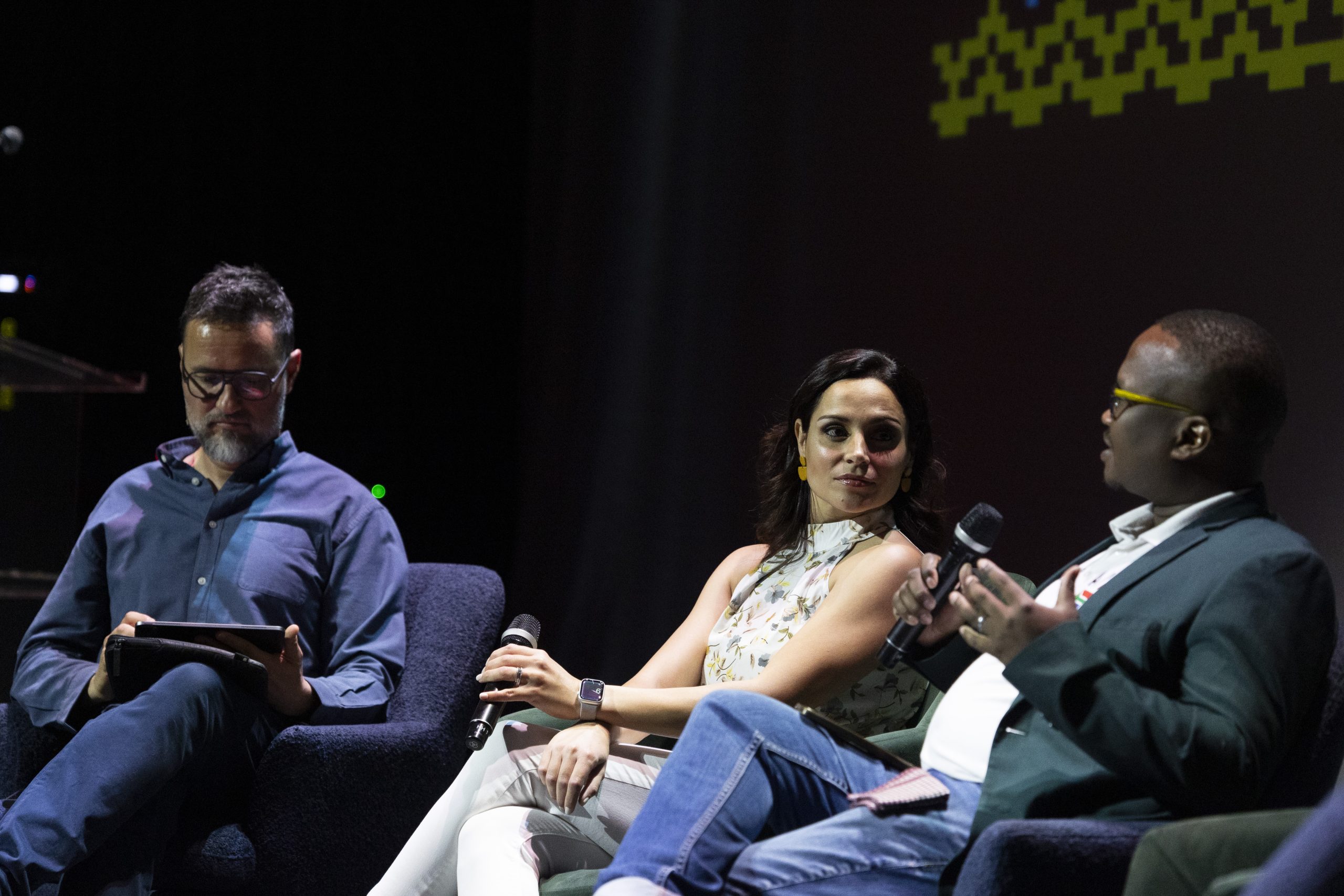
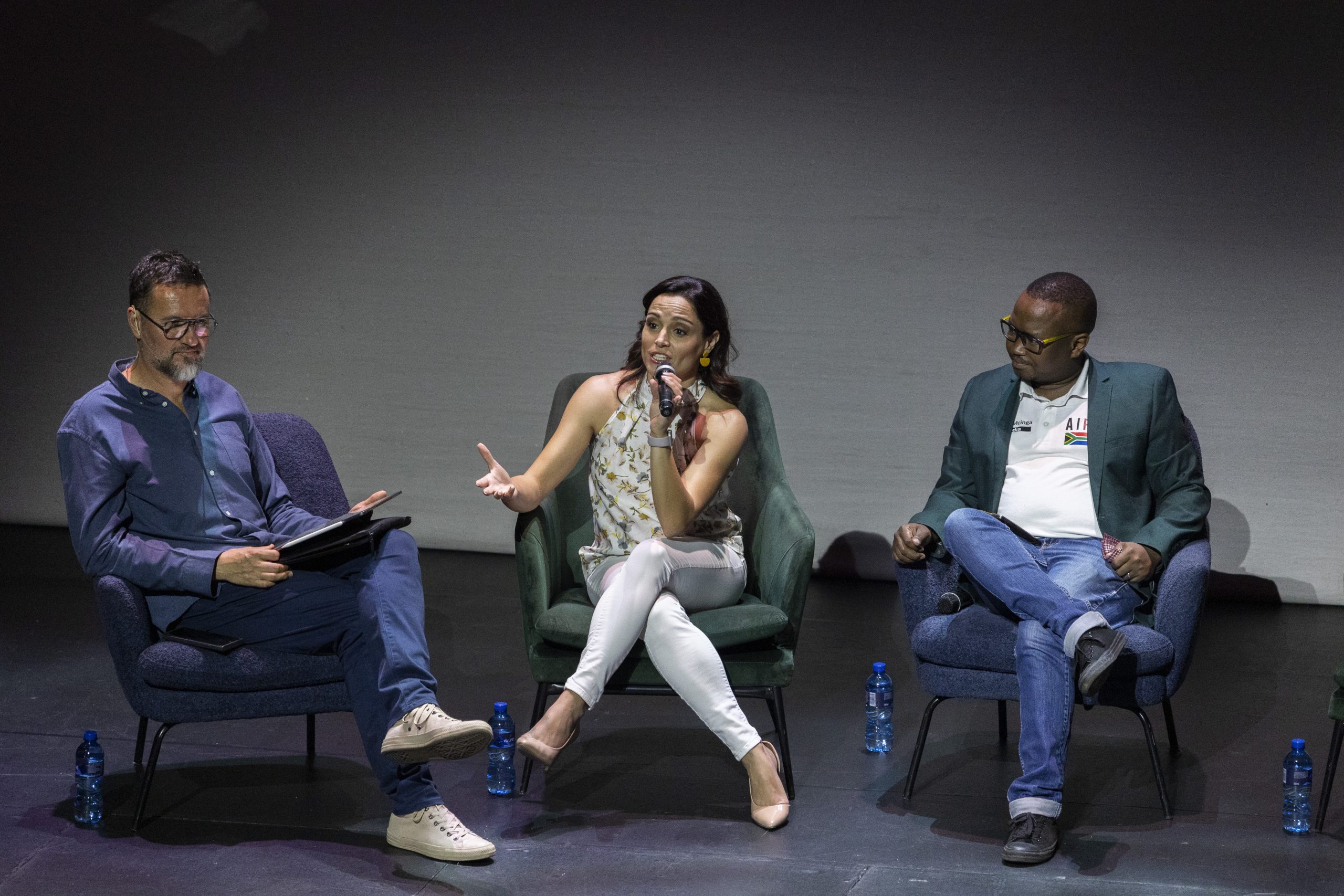
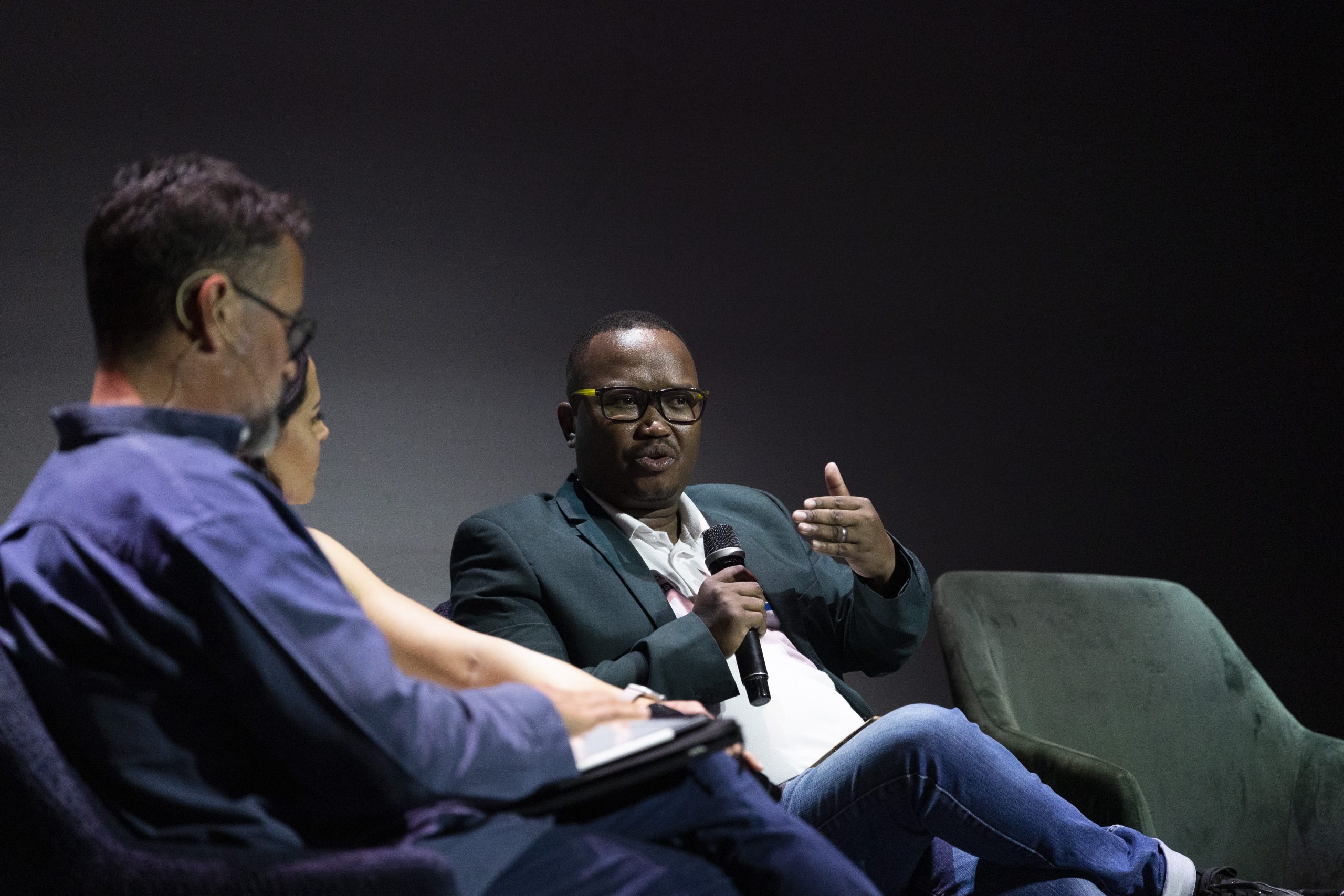
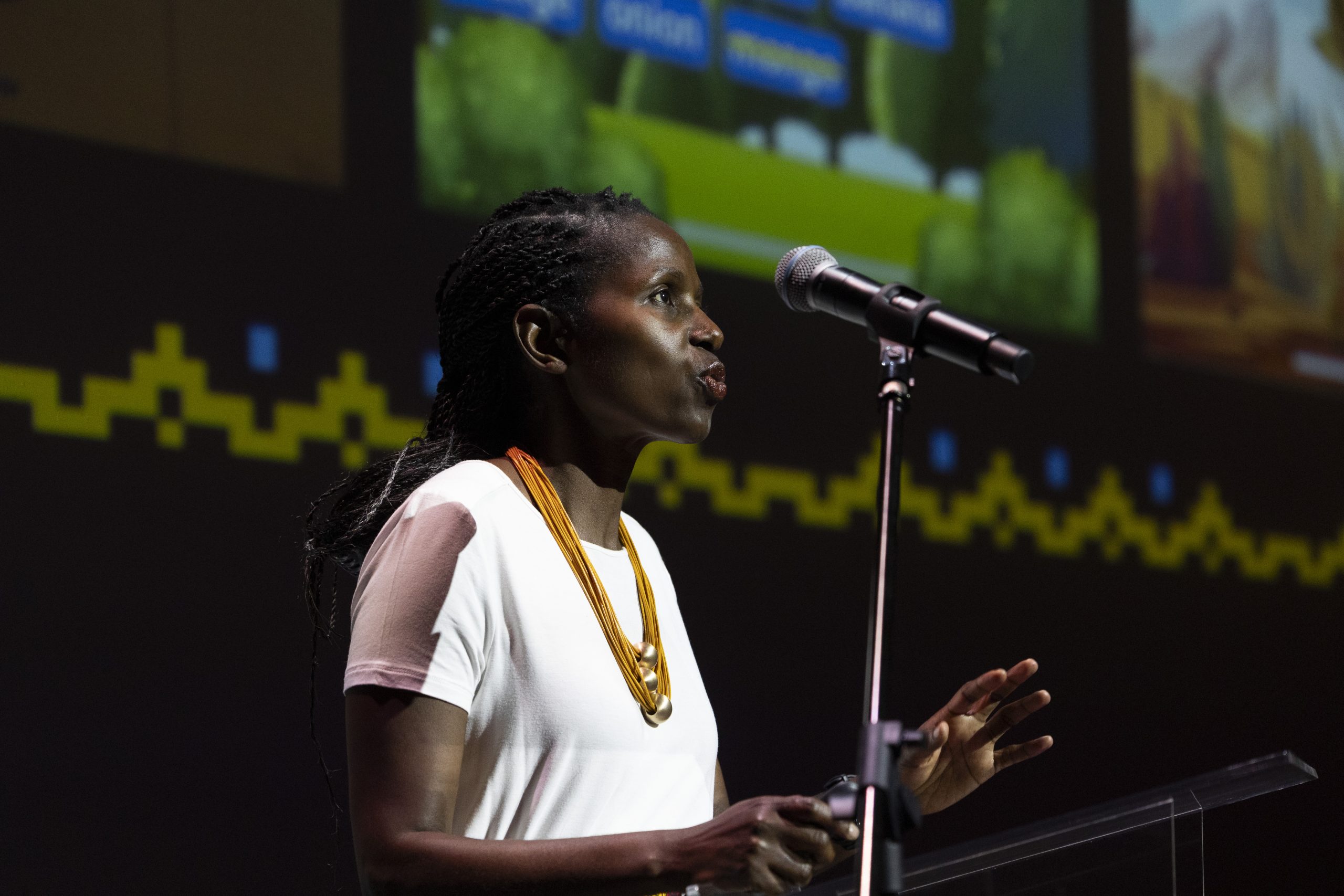
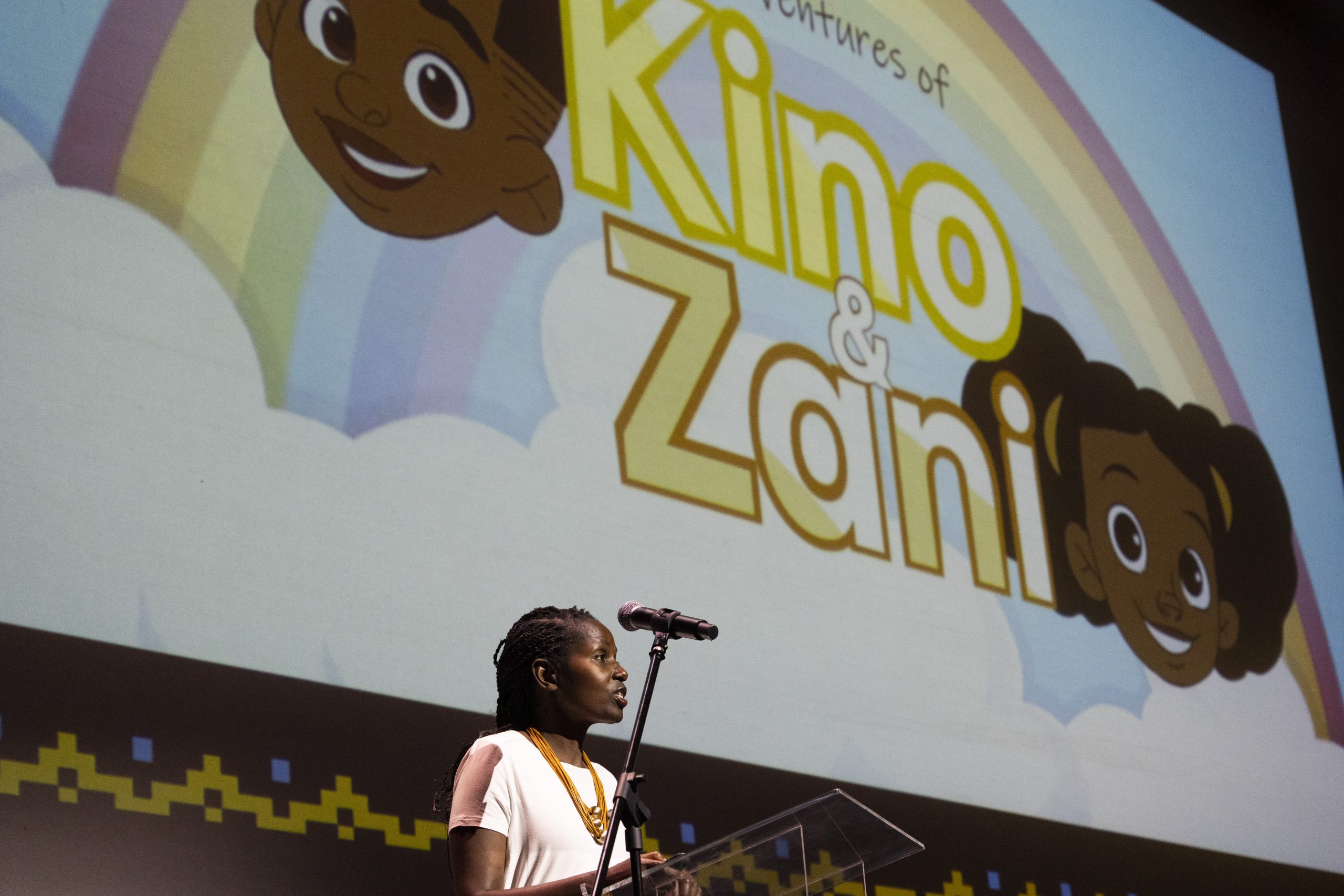
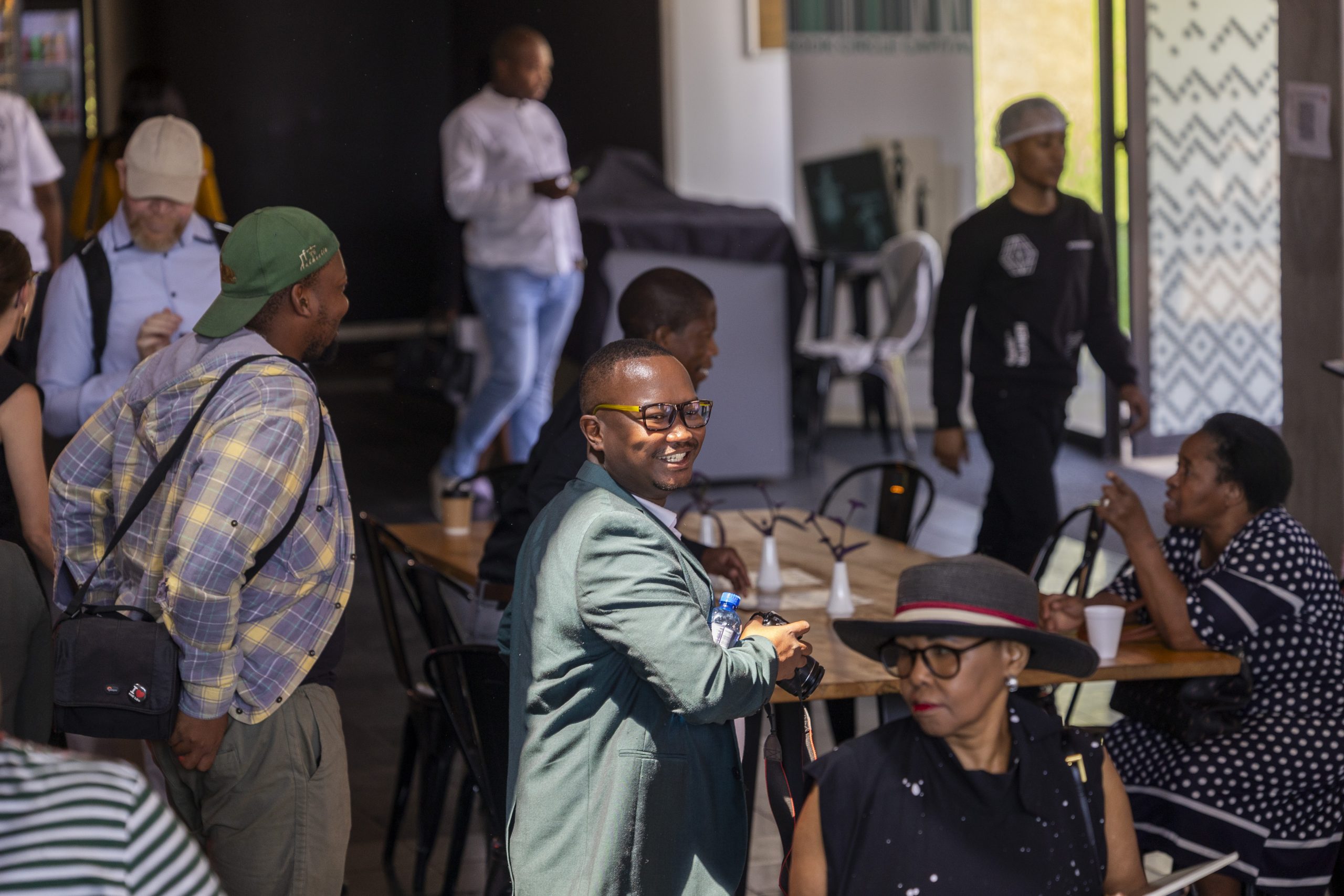
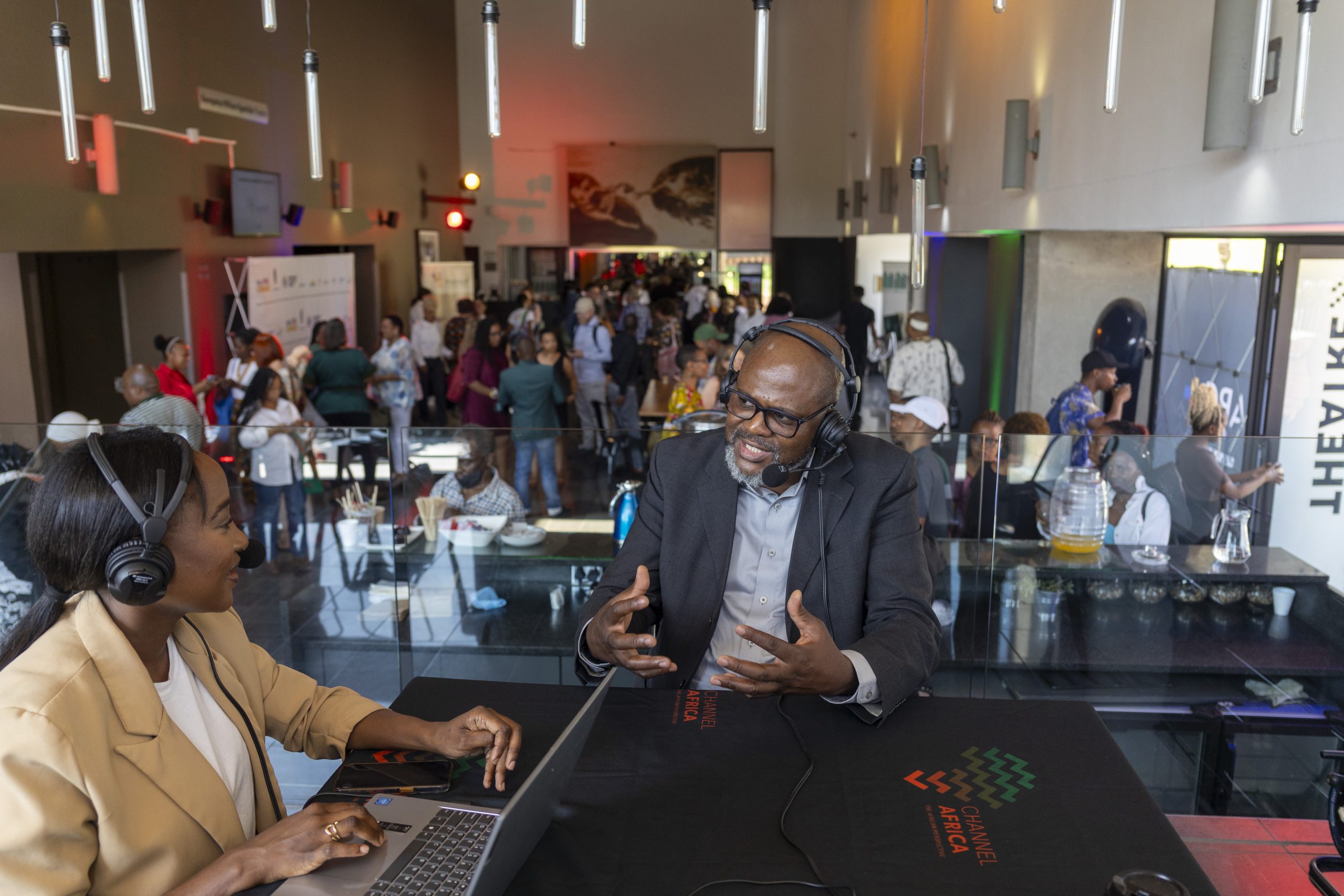
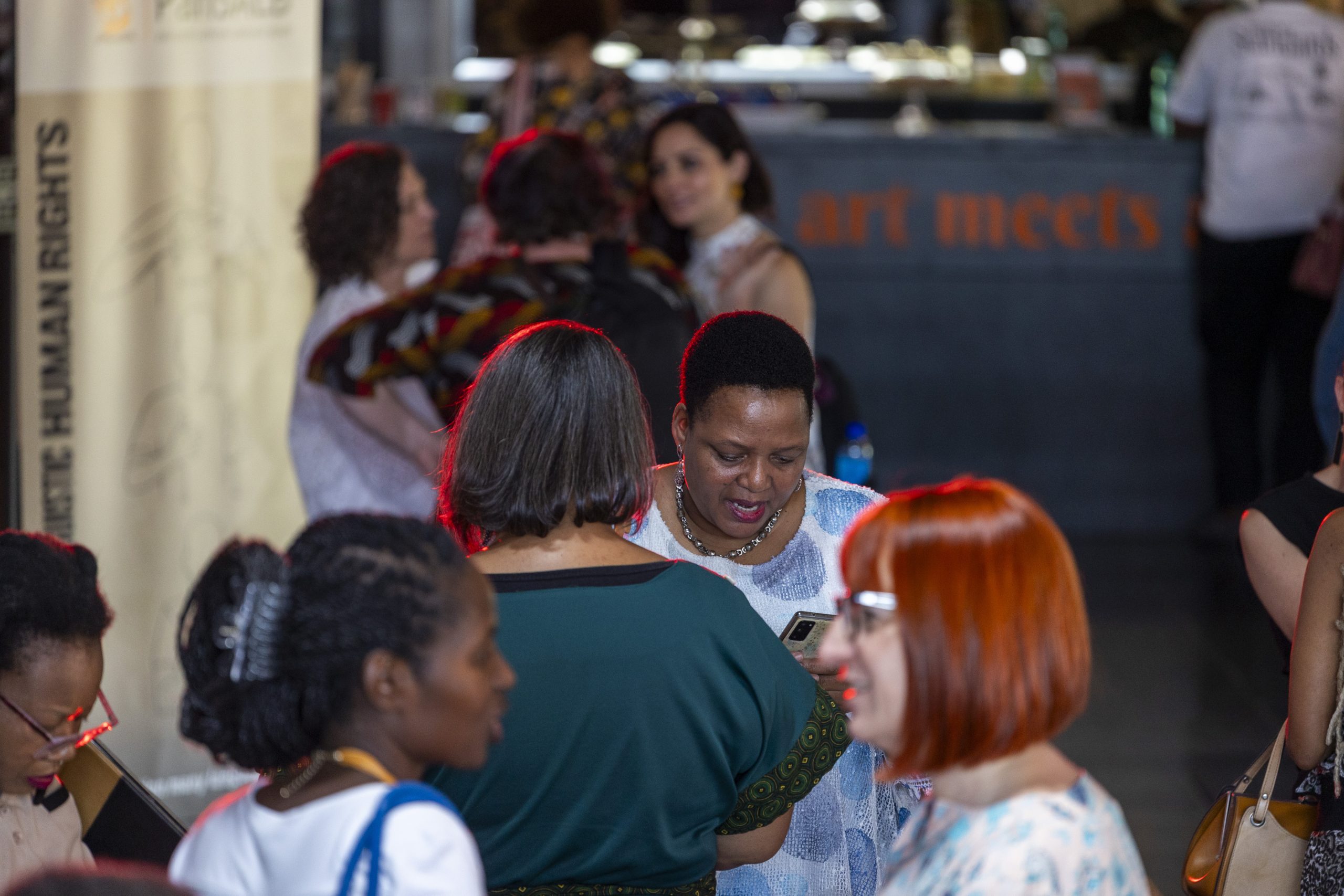
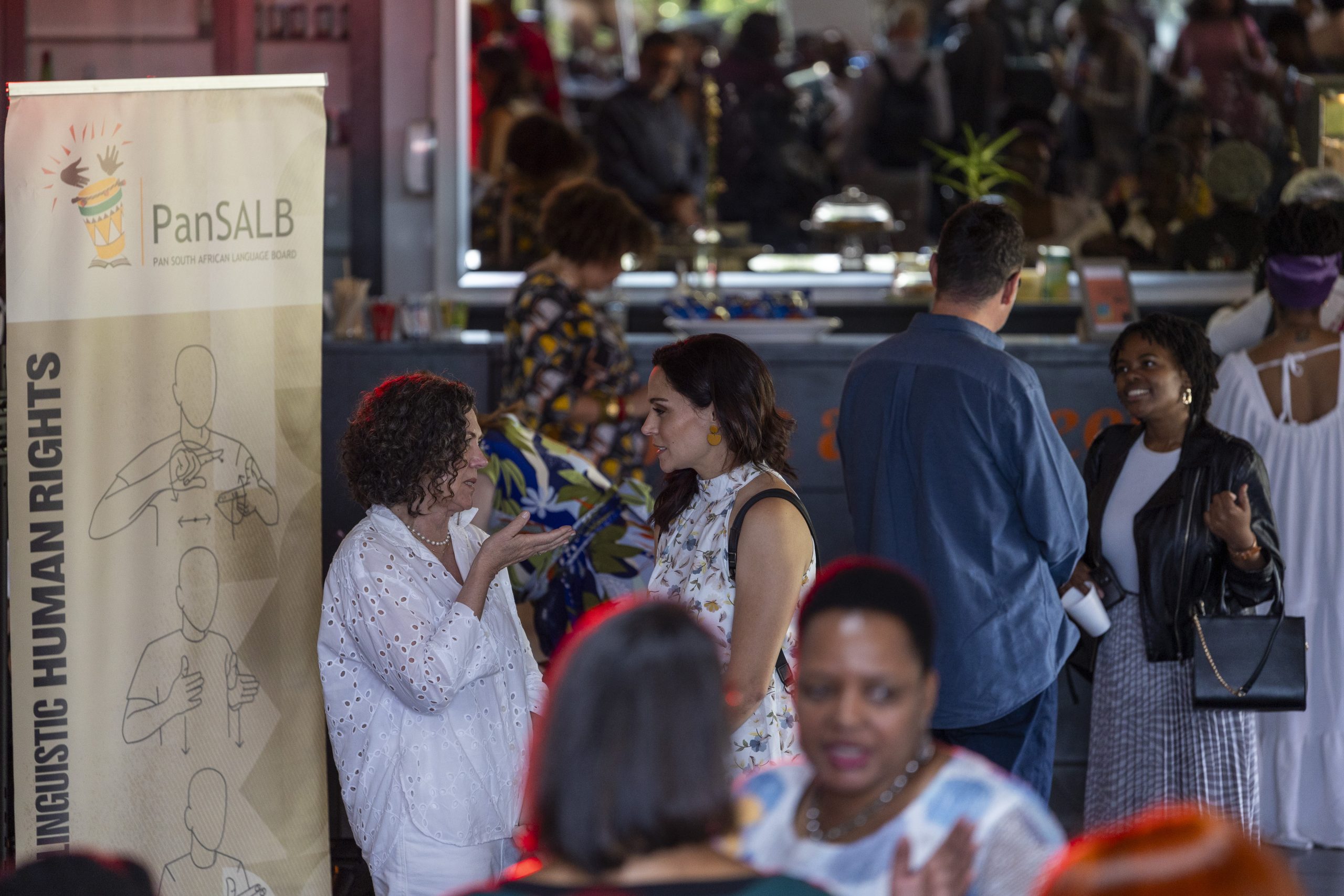
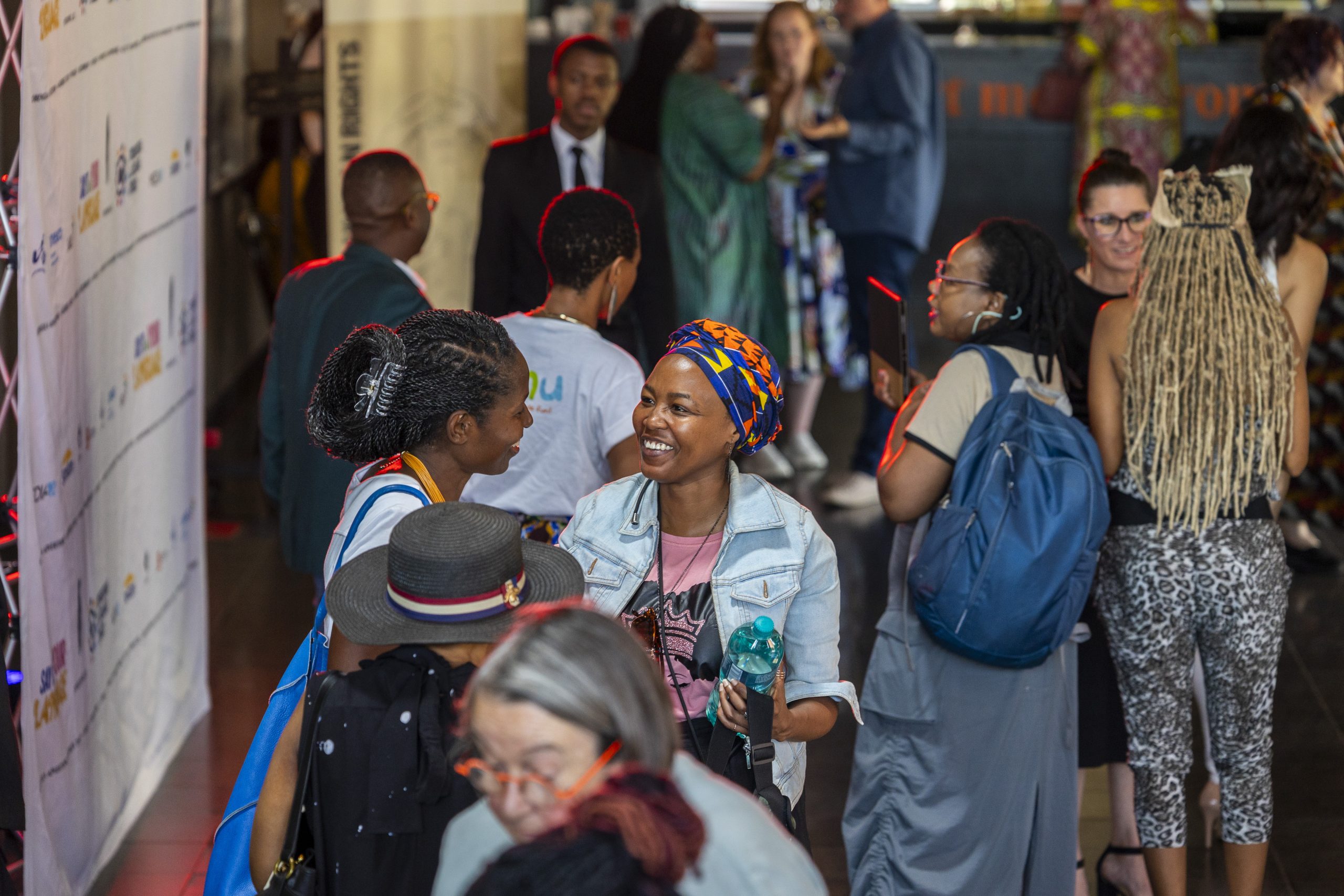
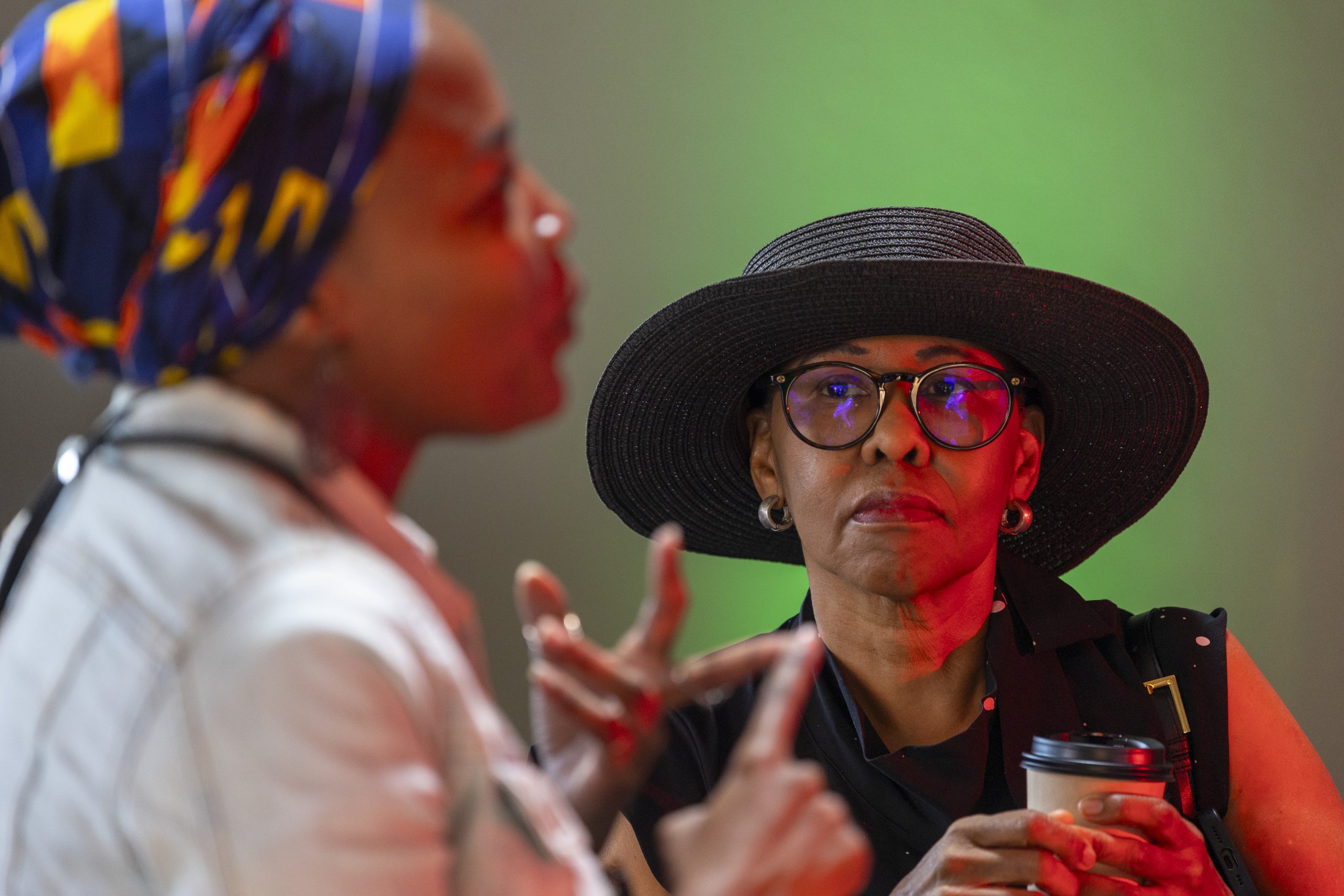
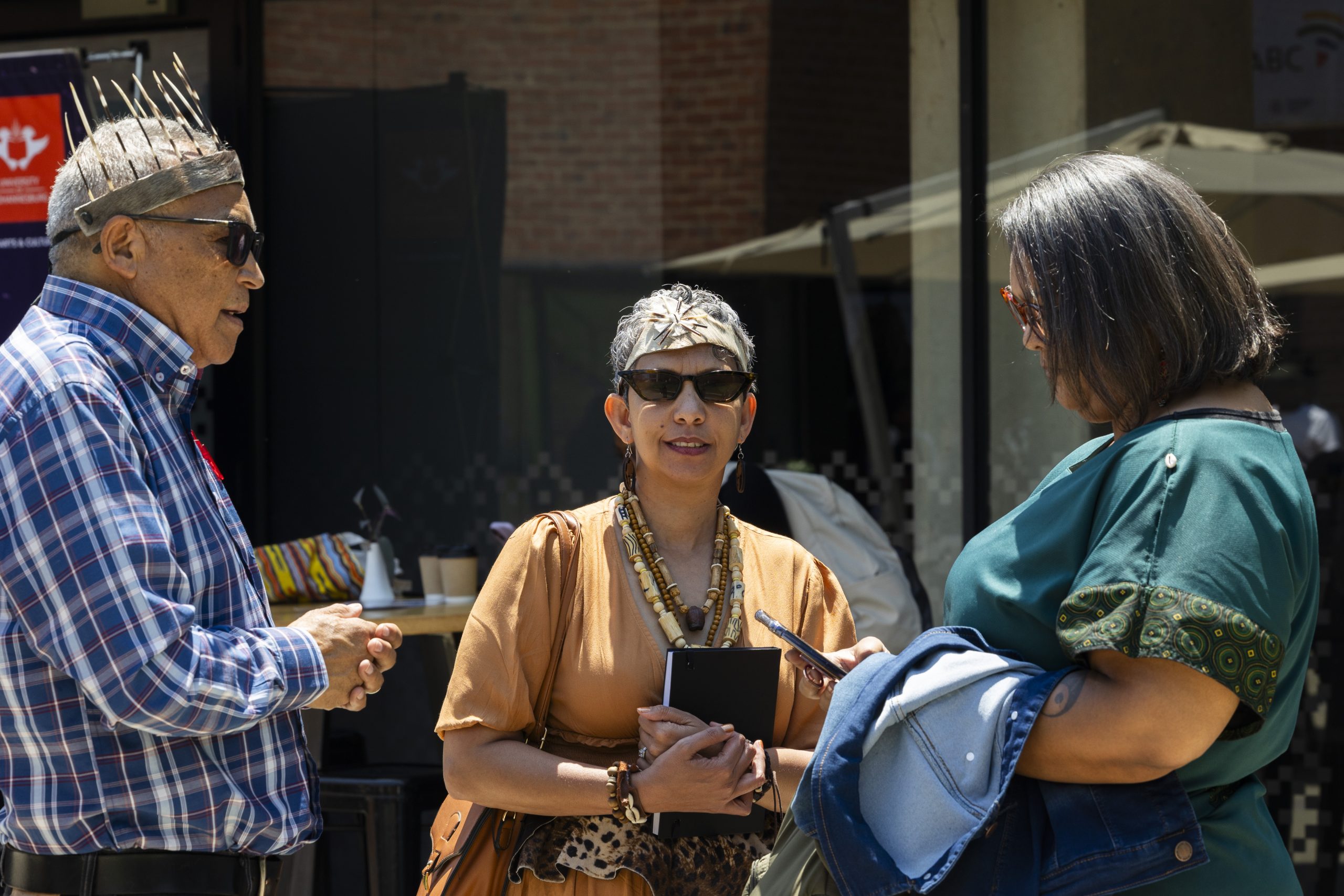
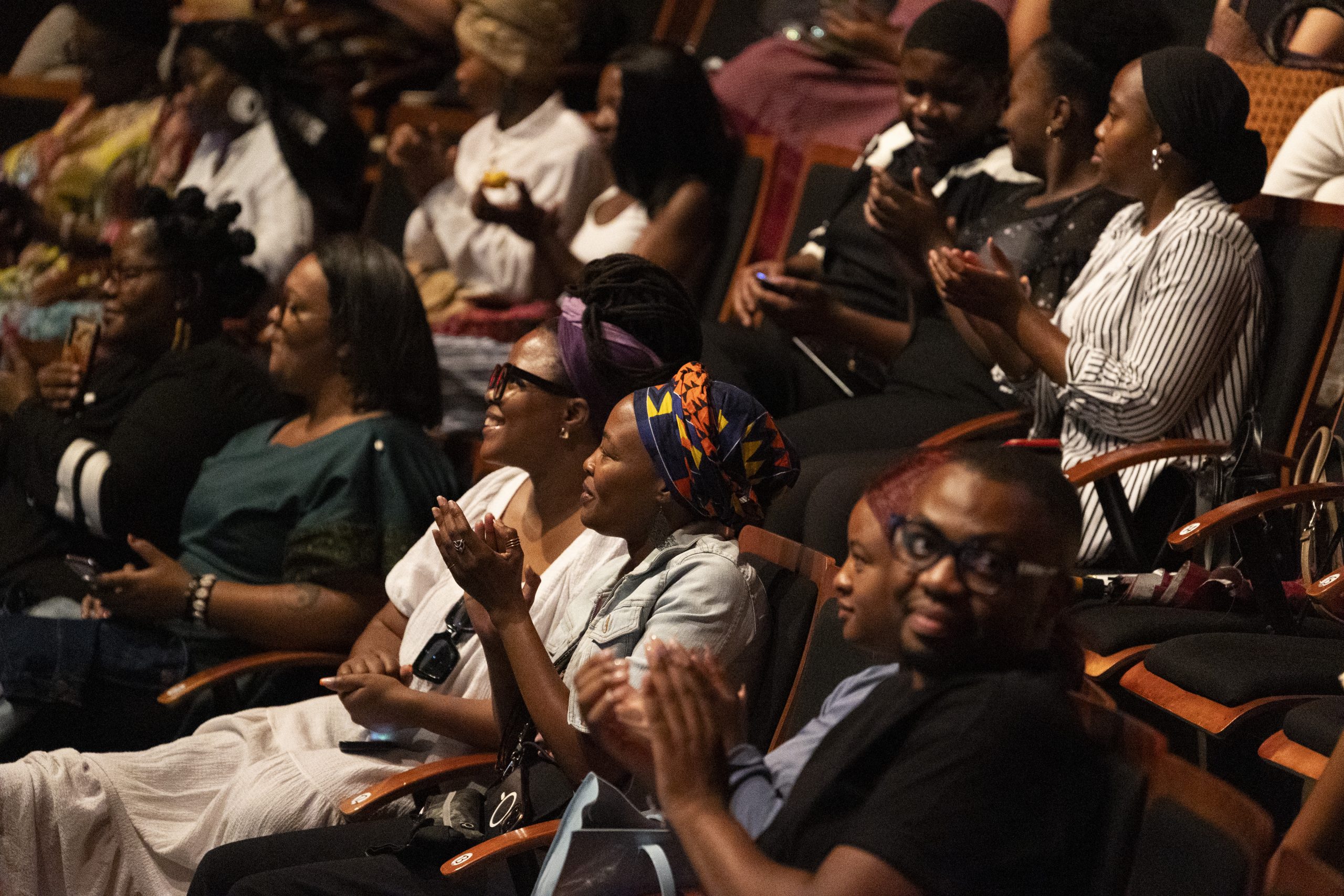
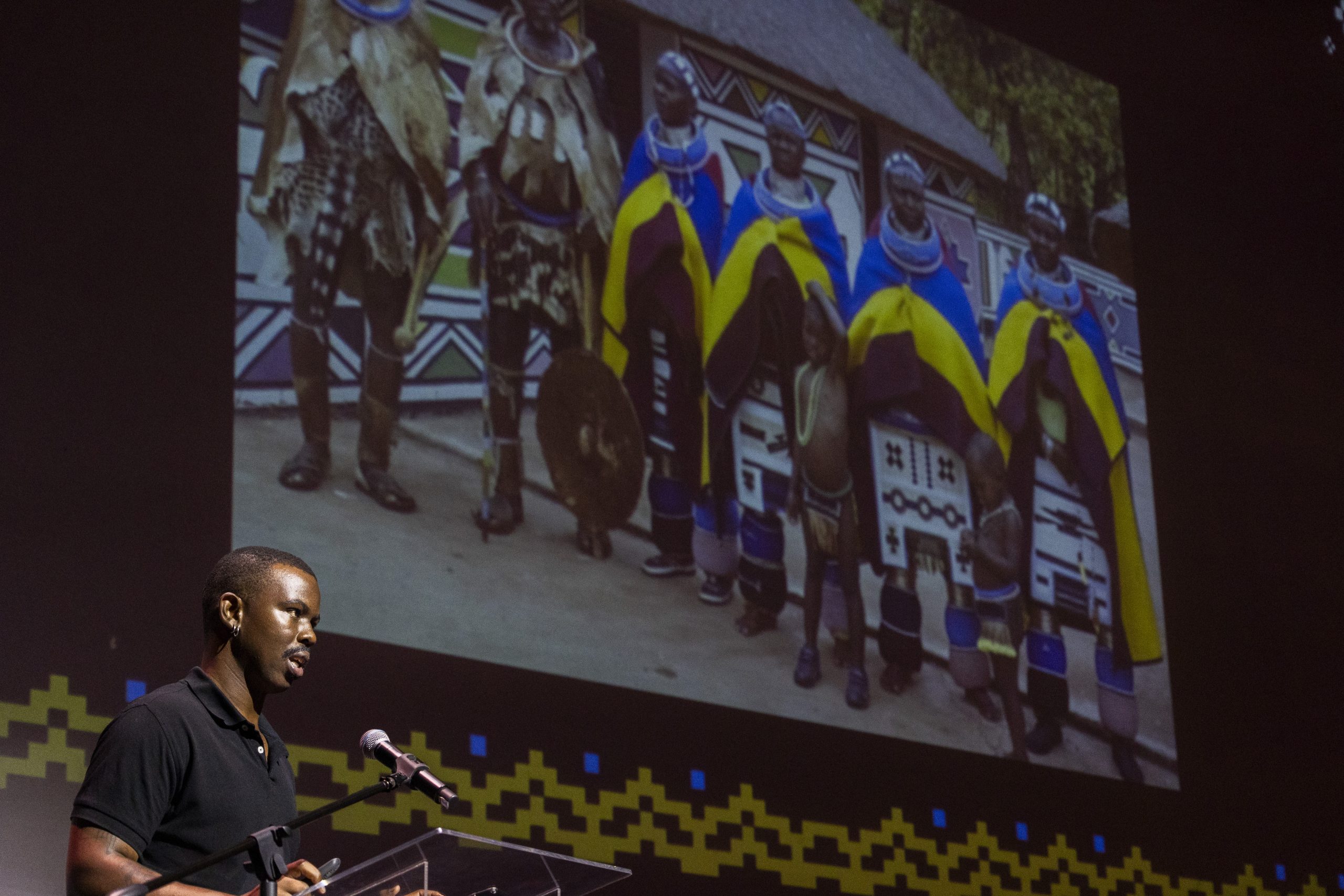
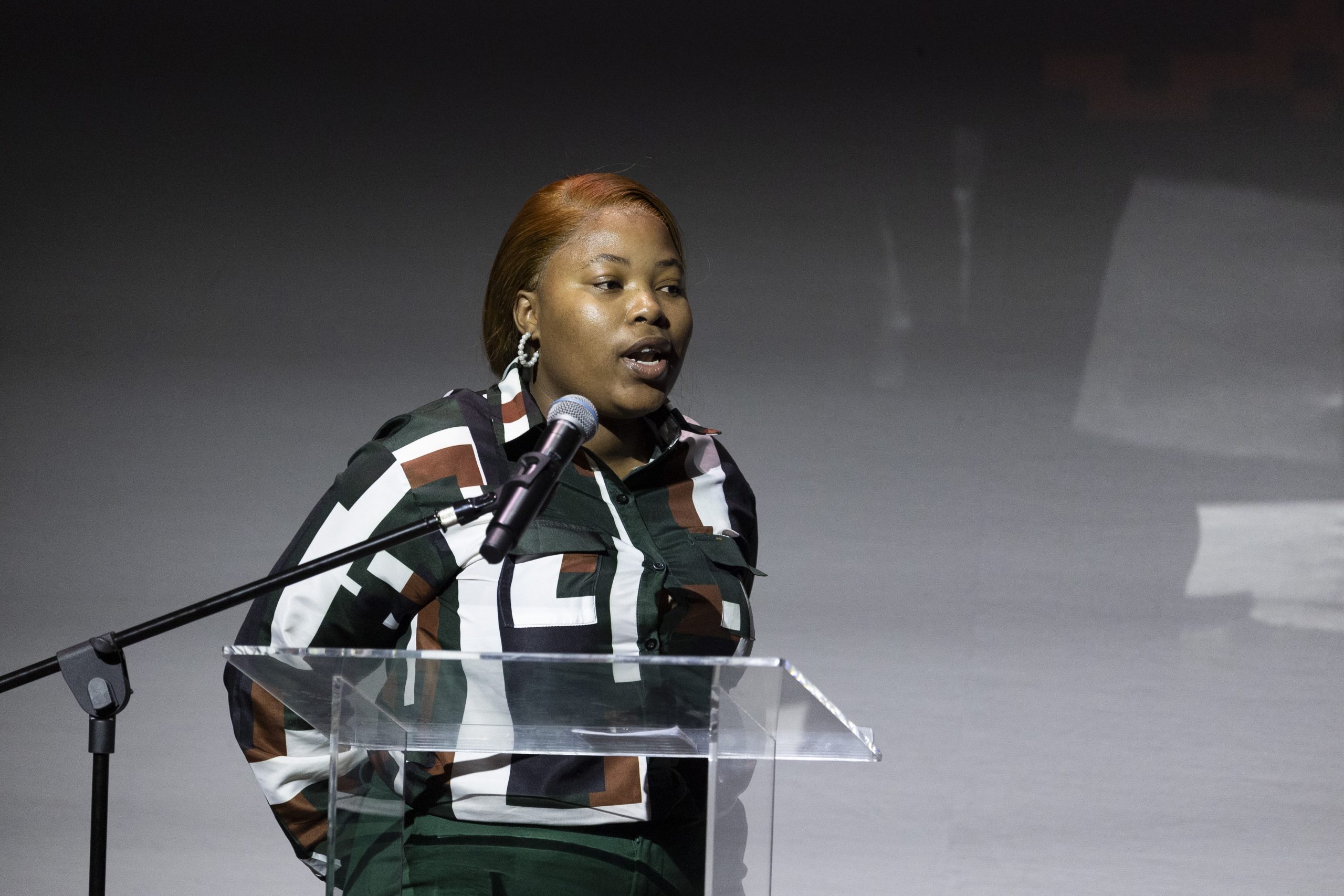
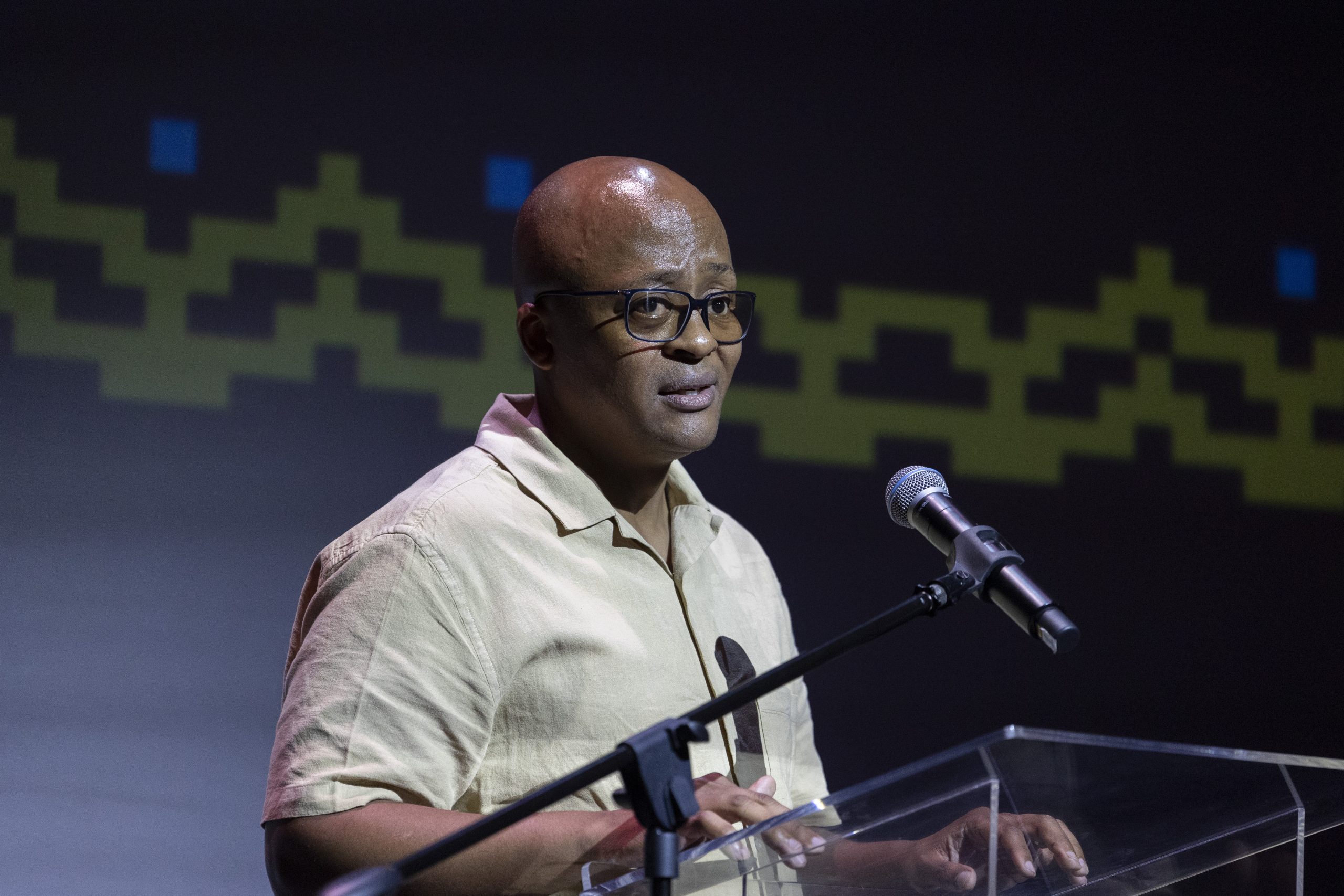
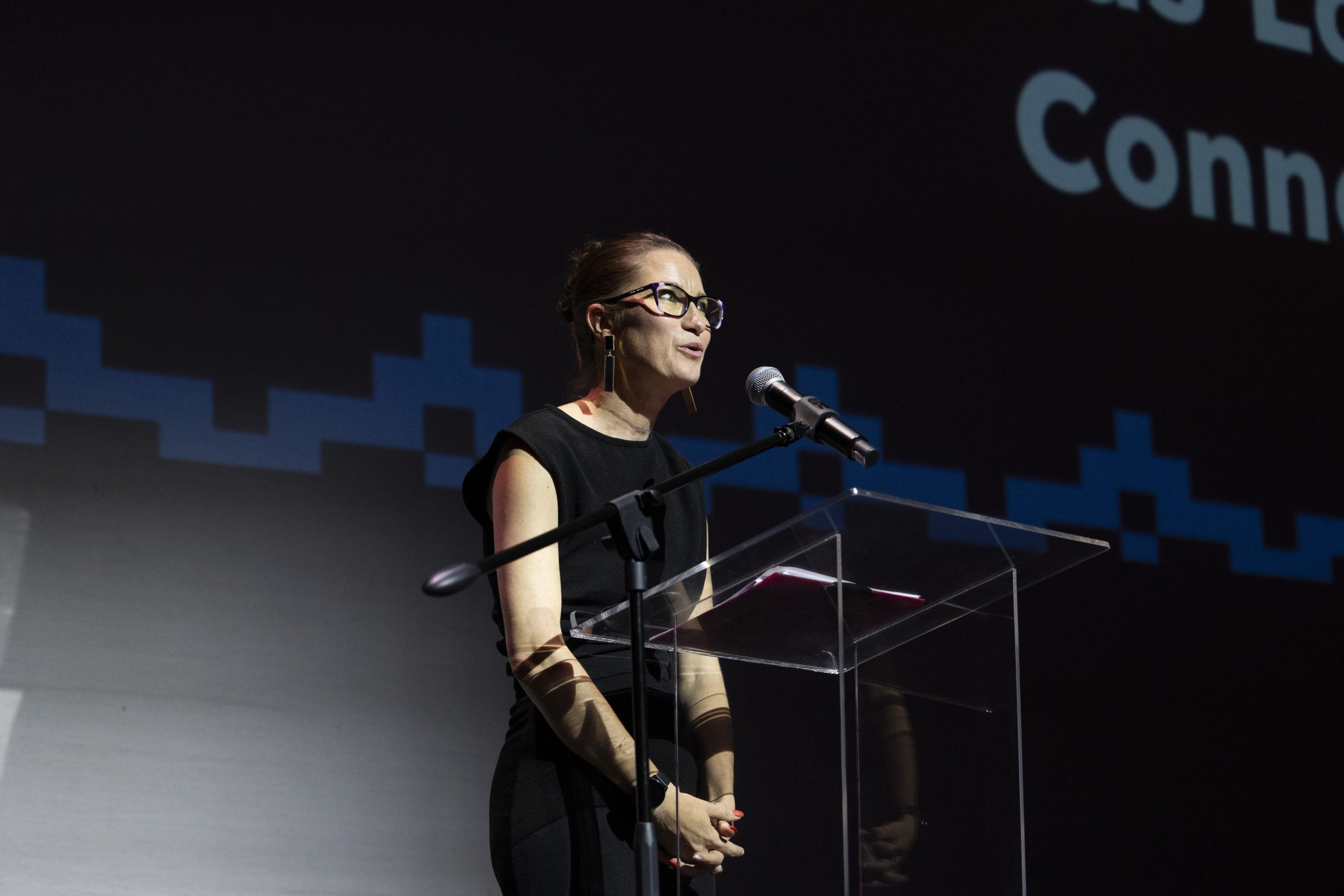
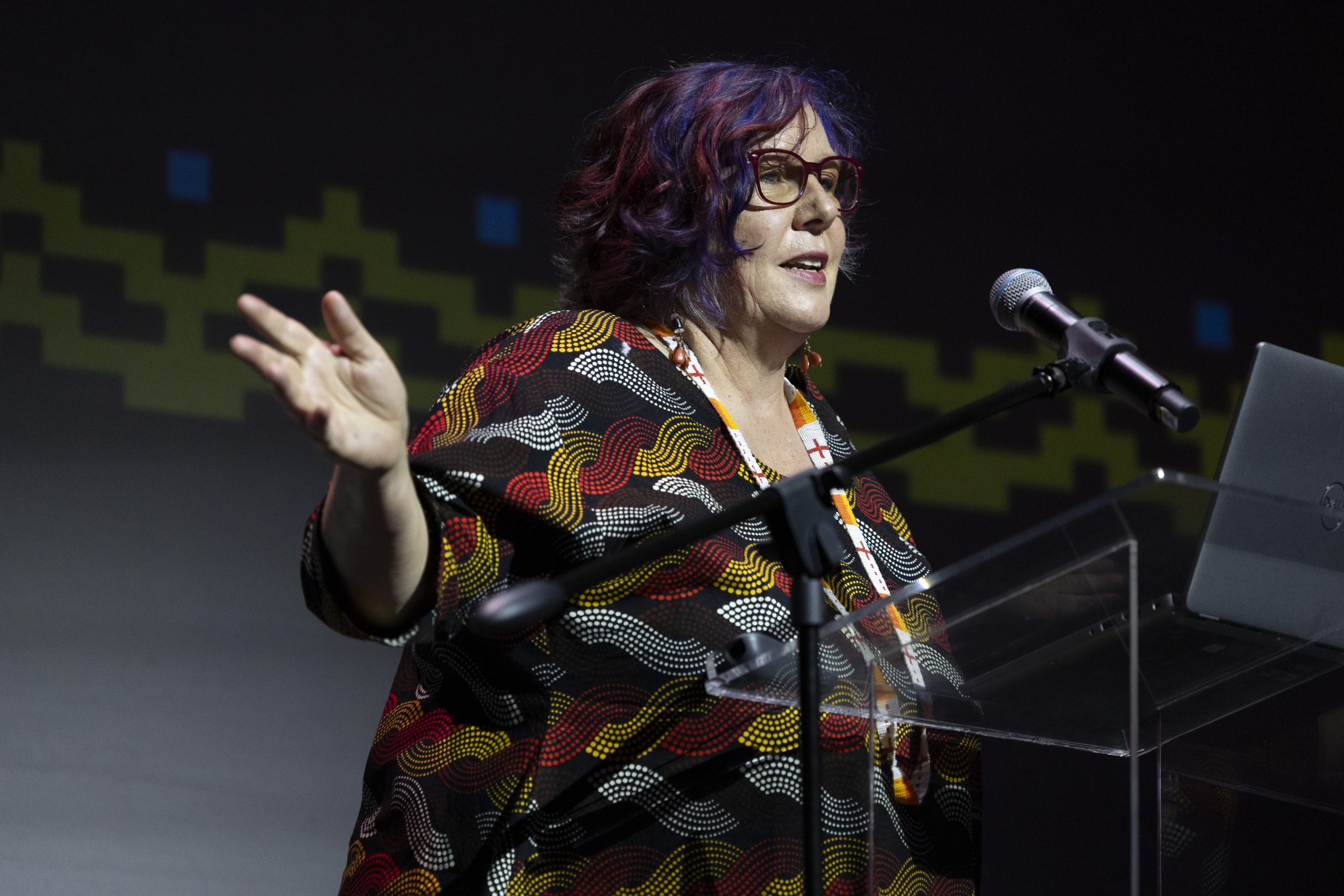
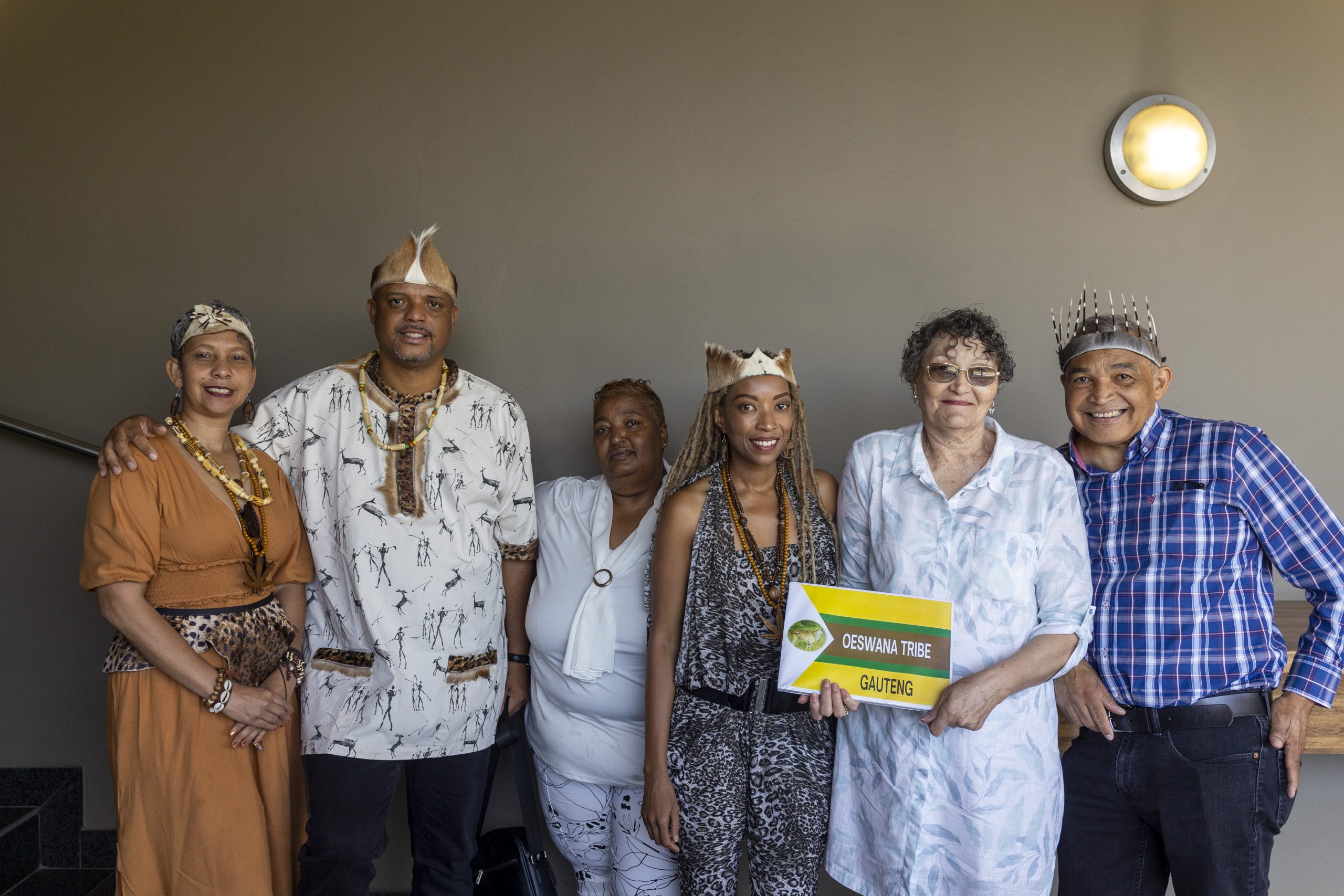
Highlights from previous Imbizos

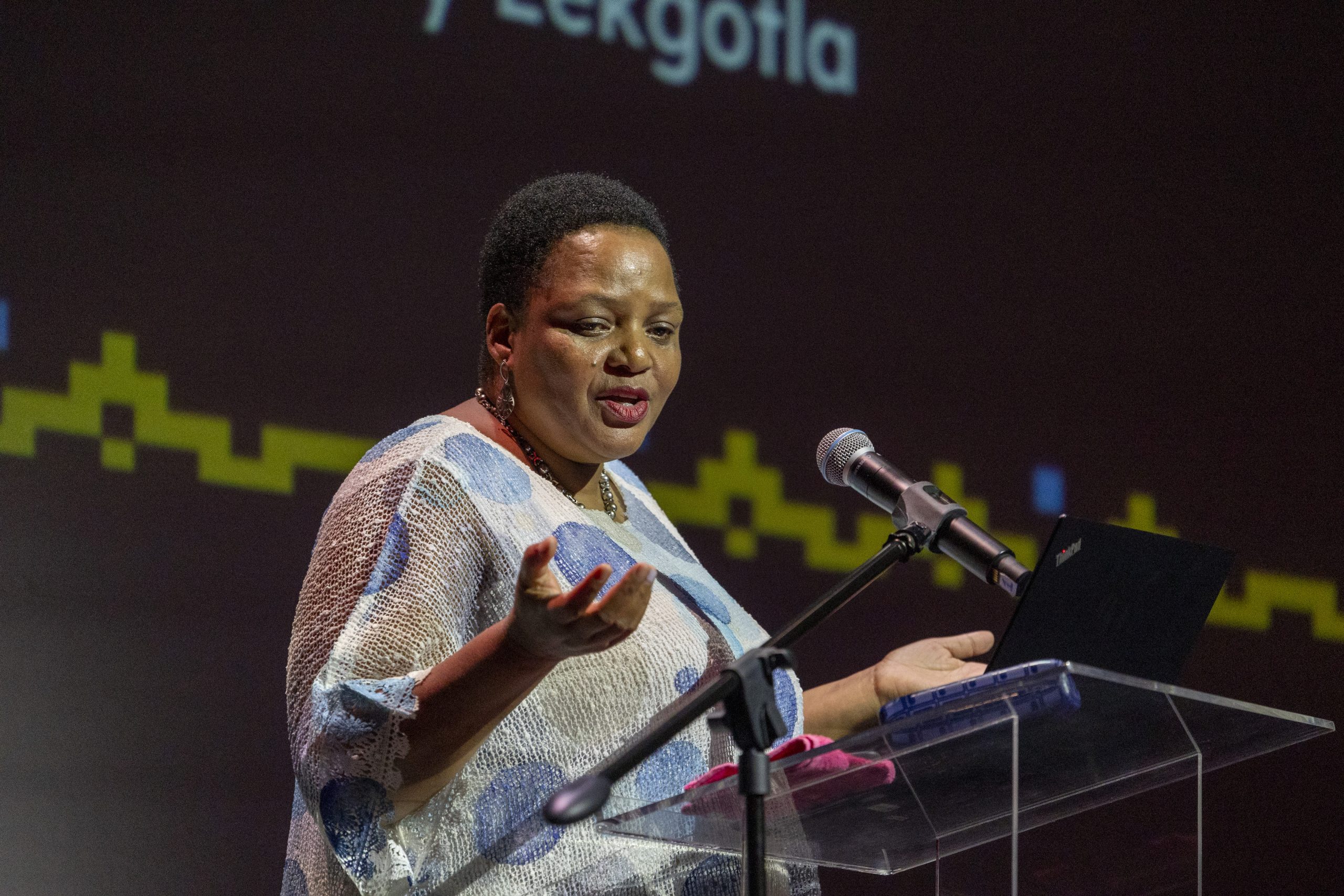
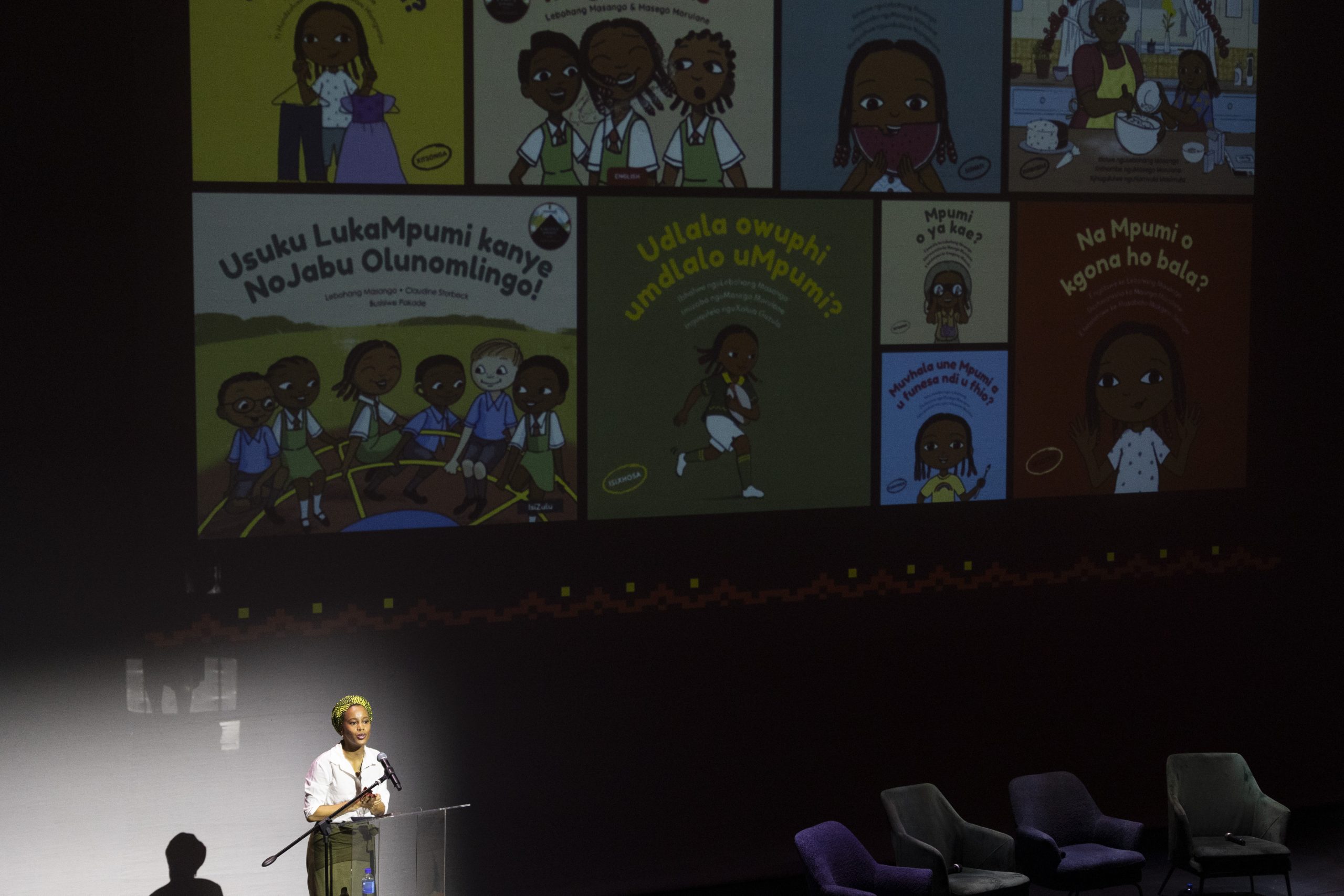
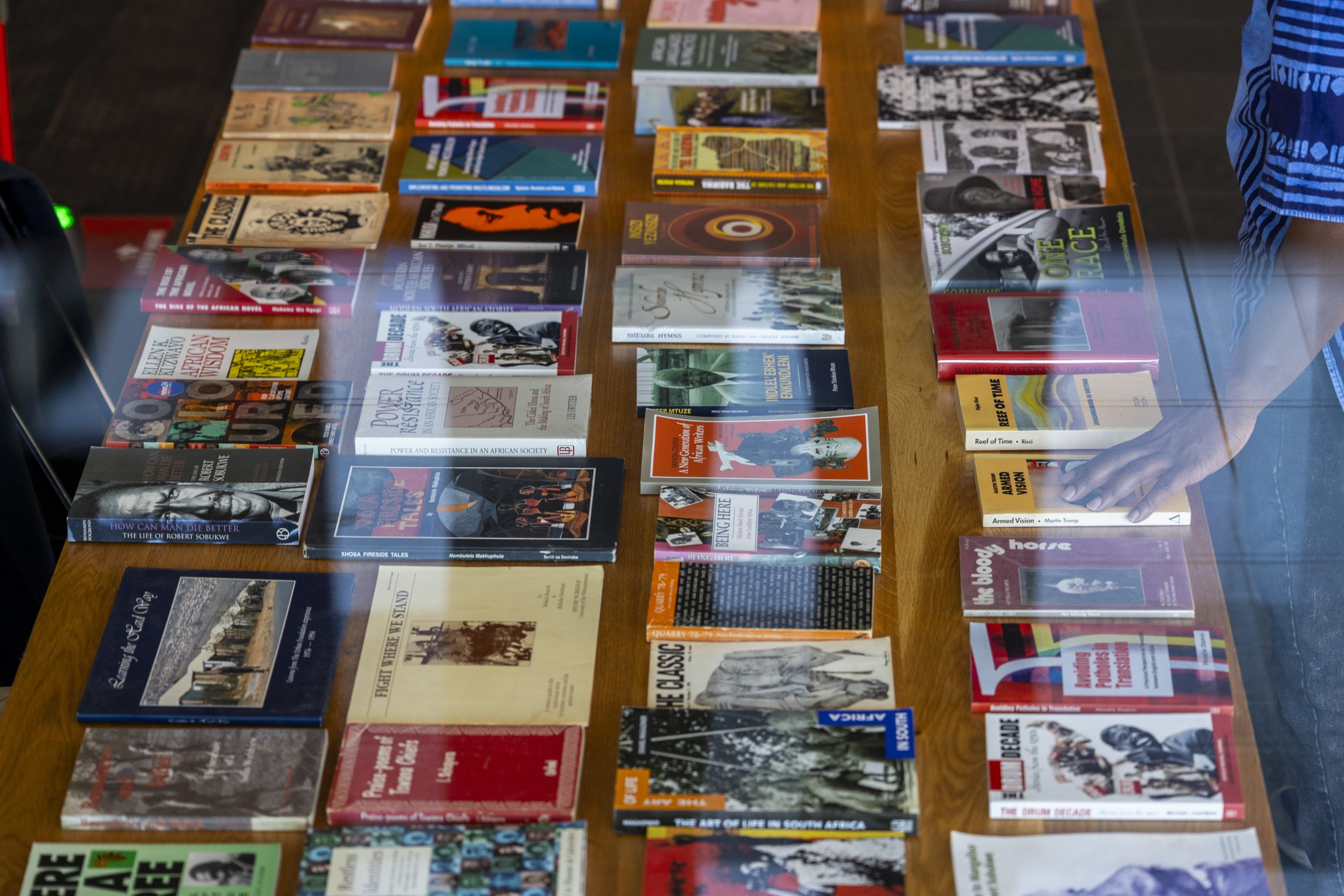
Get in touch
Let’s work together to disrupt the status quo. We’re here to answer any queries or discuss how we can grow the use of indigenous languages in SA.
Under Our Tree: Language, Memory and Power in the Age of Digital Transformation
South Africa’s Constitution chose an indigenous idea as its central image: justice under a tree. But what gets lost when ideas rooted in indigenous languages and knowledge systems are translated into English? As South Africa marks 30 years of its Constitution, our Imbizo asks: Where is your tree, and what stories live beneath it?
The programme will bring together voices from AI and technology, academia, law, digital rights and policy, the creative industries, design, publishing, literature, broadcasting, theatre and cultural heritage to unpack:
Mother Tongues and the Machine
Who owns, controls and benefits when indigenous languages become part of AI and the digital economy?
Shaping New Worlds in Our Own Words
How can indigenous languages, knowledge and ways of seeing influence contemporary art, design, architecture, storytelling and technology?
What Will Be Remembered?
Who enters the archive, what is changed through translation, and how can communities preserve and create cultural memory on their own terms?
The Imbizo creates a space to look beyond preservation and consider how our languages, knowledge and stories can shape the future we are building.
Join us under our tree.